REVIEW · KETCHIKAN
Ketchikan: Rainforest Canopy & Zipline Adventure
Book on GetYourGuide →Operated by Kawanti Adventures · Bookable on GetYourGuide
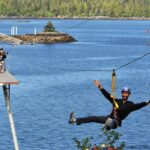
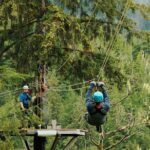
Up in the Tongass Rainforest canopy, this Ketchikan zipline-and-wildlife adventure feels like a front-row seat to Alaska’s wild side, with eight zip-lines that rise from easy starts to cables topping out at 600 feet. I especially like how the guides coach you step-by-step before you go high, and how the platforms put you in position for a real shot at seeing eagles and bears from above. One drawback to plan around: you need to be comfortable with heights and meet the physical requirements, because this isn’t a gentle stroll.
The day also mixes adrenaline with culture. Between runs, you get time on the property for a Tsimshian totem park and a look at local working craft spaces like a historic sawmill. If you’re hoping for long periods of downtime, expect the schedule to be active and outdoors the whole time.
In This Review
- Key takeaways before you go
- Tongass Canopy Ziplines: What Makes This Ketchikan Adventure Different
- From Berth 2 to Herring Cove: The 8-Mile Rainforest Ride
- The Alaska Rainforest Sanctuary Briefing and Safety Setup
- Eight Zip-lines, a Hanging Bridge, and the Canopy Chalet Views
- Wildlife Above: Eagles and Bears Aren’t Promises, But You’re Set Up
- The Whitman Lake Fish Hatchery Tower and Rappel Finale
- Totem Park, Historic Sawmill, and Working Craft Stops
- Price and Value: Is $225 Worth It for 210 Minutes?
- Who Should Book This Zipline Day, and Who Should Skip It
- Should You Book This Rainforest Canopy Zipline Tour?
- FAQ
- Where is the meeting point for this Ketchikan tour?
- How long is the tour?
- What’s included in the price?
- Is food or drink allowed during the zipline portion?
- Can I bring a selfie stick?
- Is wildlife guaranteed on this tour?
- How high are the zip-lines and platforms?
- Is the tour suitable for people afraid of heights?
- Is this tour wheelchair accessible?
Key takeaways before you go
- Progressive setup: you start with a short, controlled launch and work your way up.
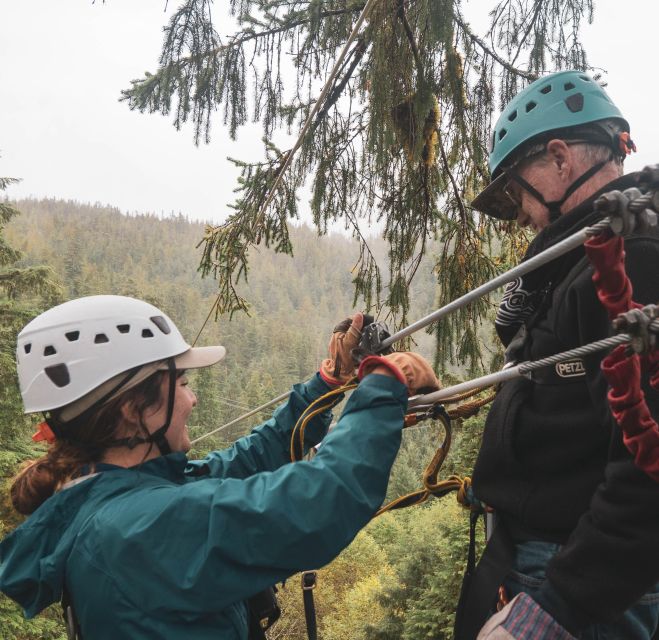
- Proper safety coaching: you’ll get outfitted with modern gear and a detailed orientation before mounting platforms.
- Real wildlife viewpoint: you’re elevated enough to scan for eagles and bears, though sightings aren’t guaranteed.
- Big views over real places: you’ll cross a hanging bridge and ride the longest line with views toward the salmon creek below.
- A dramatic finish: the last stretch ends at a viewing tower over the Whitman Lake Fish Hatchery and you rappel back down.
- Culture time on-site: tot ems, a master carver, and historic craft areas can fill the downtime.
Tongass Canopy Ziplines: What Makes This Ketchikan Adventure Different
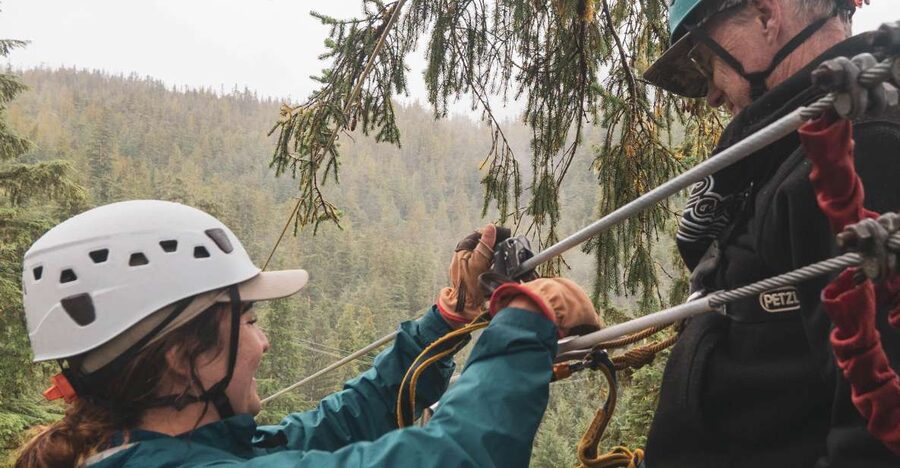
This is not just “zip-lines and photos.” The setting is the point: the canopy of the Tongass Rainforest, high above a salmon-rich stream and surrounded by wildlife habitat. You’re not looking at a view from a roadside pullout. You’re moving through it, platform to platform, with the whole preserve as your backdrop.
What makes it feel worth the price is the mix of motion plus guidance. The guides explain everything in a way that makes the safety steps feel doable, not scary. I liked the way the experience ramps up, where your first moments are about getting comfortable with the equipment and body position before you go for the taller, longer lines.
The other advantage is timing and placement. You’re up for the majority of the activity inside the preserve, so you’re not wasting most of your time traveling. And because the platforms sit above wildlife habitat, you’re in a spotting position that you simply can’t get from the ground.
From Berth 2 to Herring Cove: The 8-Mile Rainforest Ride
Your day starts at the Ketchikan Visitors Bureau by Berth 2, near a bronze statue called The Rock and the rain gauge. The key practical note: meet about 10 minutes early, because you want to get everyone checked in and moving with the group on time.
From there, you go by van, then into a scenic drive that covers about eight miles along the coast to Herring Cove and the Alaska Rainforest Sanctuary area. This stretch matters more than you might think. It’s a buffer time where you’ll see the coastal side of southeast Alaska before you head uphill, and you’ll get your first sense of how rainy, green, and steep the region can feel.
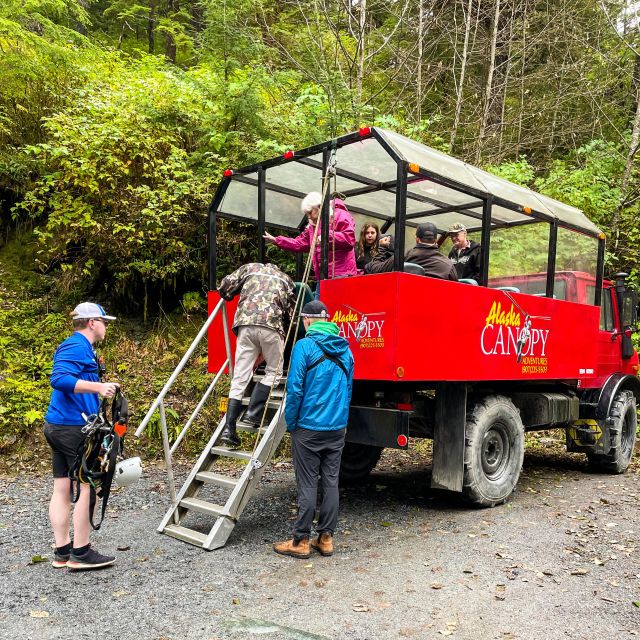
After the initial drive, you transfer to an all-terrain custom 4×4 Unimog for the steep hillside climb. This isn’t a normal vehicle road experience. You’re going up in a way that keeps you close to the rainforest, and you’ll arrive with a better feeling for why you’re about to be in the canopy.
The Alaska Rainforest Sanctuary Briefing and Safety Setup
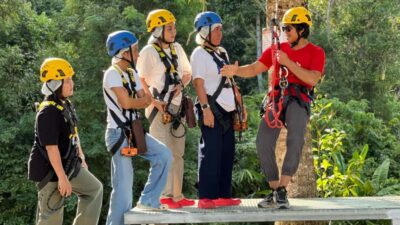
Once you’re at the canopy chalet area, you’ll spend time getting oriented. First comes the guided tour portion that includes safety briefing and instruction. Then you’ll get outfitted with the state-of-the-art safety equipment.
This is where the good guiding really shows. In past groups, guides like Cole and Stevie have been praised for explaining the process clearly and making it feel safe, and other guide teams such as Charlotte and Grace have been noted for being informative and friendly. You want that energy on a zipline day, because your brain relaxes when you understand what comes next.
One thing I’d plan for: this isn’t just a quick “here’s your helmet.” You’ll be taught how to handle the gear and what to expect at each stage. That’s important because the course includes different heights, platforms, and a hanging bridge. When you know what’s coming, you can focus on the view instead of wondering what technique you’re supposed to use.
Also remember the day is outdoors and the rainforest is—well—rainy. Wear clothing that you can stand to get damp, and keep your shoes closed (open-toed shoes aren’t allowed).
Eight Zip-lines, a Hanging Bridge, and the Canopy Chalet Views
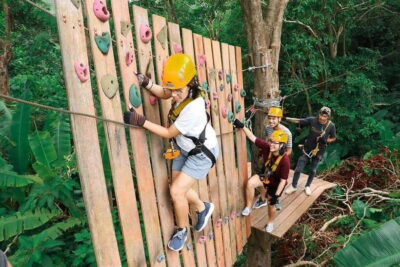
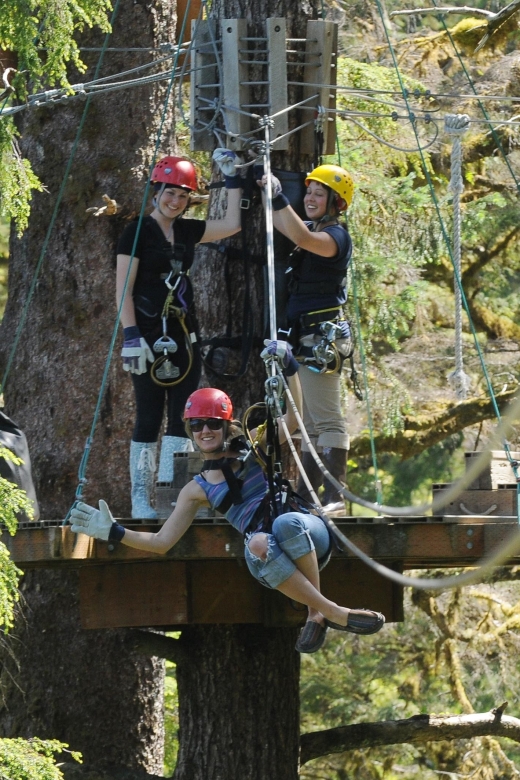
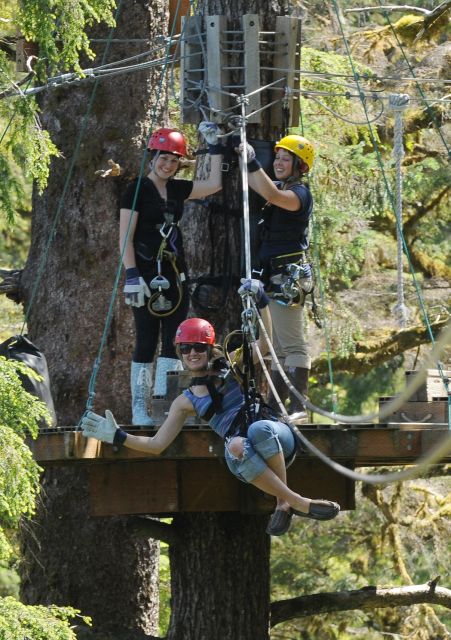
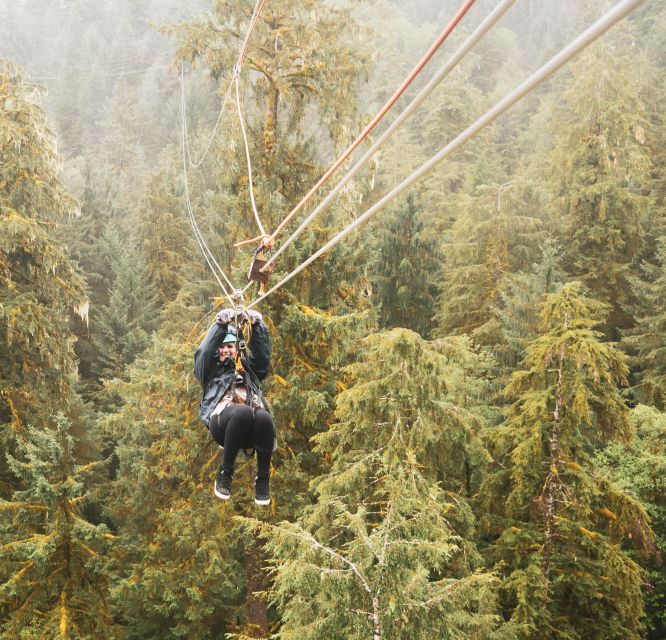
The canopy “challenge” is built around a flight of eight zip-lines, with cable lengths and heights that grow as you go. You’ll start out with shorter, lower segments that let you get comfortable, then progress to longer rides. The guides ease you into it gradually, and that pacing is a big part of why people walk away feeling proud instead of overwhelmed.
The course includes cables ranging from about 100 feet up to 600 feet, and platforms can be as high as 100 feet above the ground. That “up to 100 feet” detail is the one that can change how you feel mid-course. If you think you can handle heights but only on paper, this is the moment to be honest with yourself.
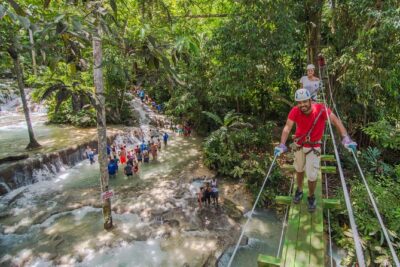
You’ll cross a hanging bridge that connects sections of the canopy experience. That’s not “just a bridge.” It’s part of how the course moves you through the preserve and shifts your perspective. You’ll be elevated and looking across rainforest cover, with the creek system and habitat below.
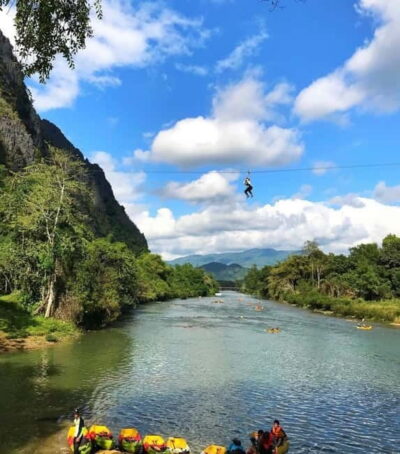
Then comes the longest zip-line, where you break out into the canopy for big views. This is the line where the experience starts to feel cinematic: the forest spreads out underneath you, and you can look down toward the salmon spawning creek below.
The ride pacing is designed so you’re not sprinting on and off platforms. You’ll spend enough time stopped at stations to breathe, look around, and take in what’s happening below.
Wildlife Above: Eagles and Bears Aren’t Promises, But You’re Set Up
This tour is built around the idea that wildlife is part of the show. From the platforms, you may spot bald eagles and black bears. The big word here is may. Sightings are not guaranteed, but the setup is.
You’re high enough to scan. You’re also in the Alaska Rainforest Sanctuary area, which includes salmon spawning habitat and intertidal estuary land. That combination draws animals, and it’s why the guides talk about the ecosystem as you go. The experience is paced so you can look, not just rush along.
A practical tip for wildlife spotting: keep your eyes moving. Eagles can be in the canopy edges, and bears often show up as movement or silhouettes before you identify the shape. Don’t lock onto one spot for the whole ride stop; use the platform pauses as mini search sessions.
And if you don’t see wildlife, don’t feel shorted. The rainforest canopy itself is constantly changing with light and mist. The “value” still holds because you’re experiencing the rainforest from a place you can’t reach on foot in most of Alaska.
The Whitman Lake Fish Hatchery Tower and Rappel Finale
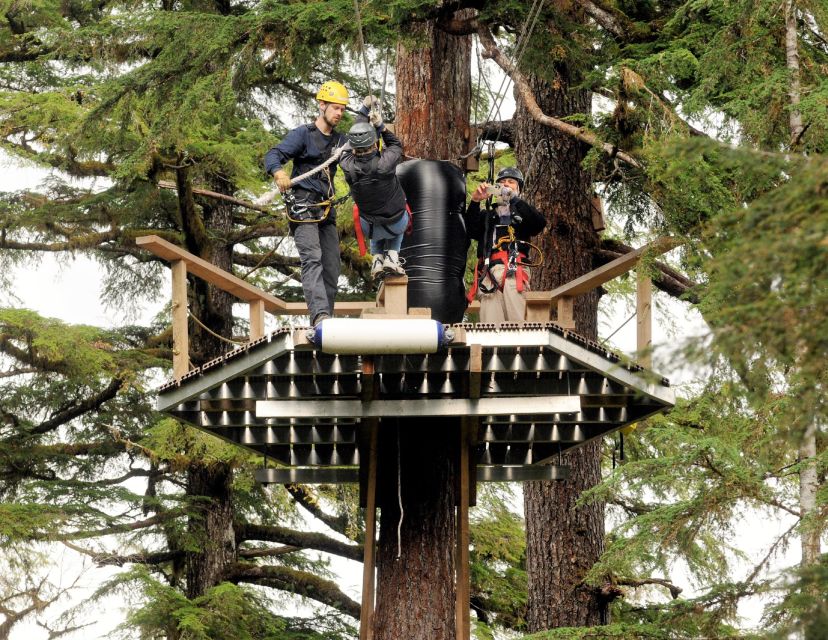
The last stages are where the adrenaline peaks again and then drops into an action-y finale. After the canopy rides, the final zip-line transports you over lush grassy wetlands toward a viewing tower above the Whitman Lake Fish Hatchery, around 55 feet off the ground.
From there, you rappel to the ground. This part turns the day from “zipline thrill” into “controlled descent and finish.” The staff is there for the rappel process, and it’s another reason the earlier safety orientation matters.
If you’re the type who prefers to end strong, this ending delivers. It’s not just a return ride. It’s a final set piece that feels like you earned it after working through the eight lines and the bridge.
Totem Park, Historic Sawmill, and Working Craft Stops
Once you’ve finished the main zipline circuit, you’re not done with the day. There’s usually time to enjoy extras on-site, if timing allows.
This is where you get to visit the Tsimshian totem park, including time to see a master carver working. You can also check out a historic sawmill and watch local blacksmiths at work. Those are the kinds of stops that make this feel like more than an outdoor attraction. You get context for how people have lived and worked in southeast Alaska.
There’s also a General Store where you can browse and pick up mementos. One more practical detail: the store area is tied to photos from your zipline experience. If you’re buying pictures, make sure you get the right group set and labels. In one case, a guest noted they were sent the wrong group pictures and had to follow up, so it’s worth double-checking your group details as soon as you collect photo info.
If you want a quick break, there’s mention of coffee and even an Alaskan beer option during the downtime. Food and drinks are not allowed during the zipline activity itself, so think of this as the post-adrenaline reset time.
Price and Value: Is $225 Worth It for 210 Minutes?
At $225 per person for about 210 minutes, the value comes from three things: time in the canopy, small group size, and what’s included.
First, you get a long block of active experience. You’re not spending most of the three and a half hours in transit. The course keeps you in the preserve, moving from platform to platform.
Second, it’s limited to small groups of up to 9. That matters on a safety-focused adventure because you’re less likely to feel rushed at check-in or during instruction. It also helps the guides manage your pacing through the course.
Third, you’re not paying extra just to access the on-site cultural stops. The experience includes transportation, the zipline tour, and time at the totem park and historic sawmill.
Could this be expensive if you’re only focused on “a couple zips and photos”? Yes. But if you want the full canopy course with professional gear setup, the wildlife viewing chance, and the bonus culture component, then $225 starts to make more sense.
Who Should Book This Zipline Day, and Who Should Skip It
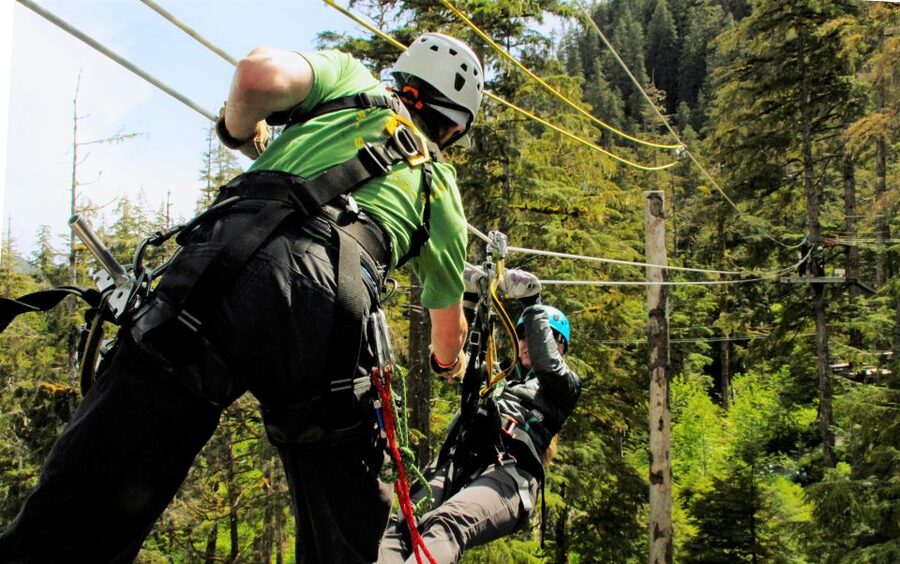
This is a great fit for people who can handle heights and want to be active in the outdoors. It’s also a strong choice if you like wildlife viewing opportunities and you enjoy hands-on guides rather than just reading a signboard.
It’s not suitable for:
- Pregnant women
- People with back problems
- People with mobility impairments, wheelchair users
- People afraid of heights
- People over 250 lbs (113 kg)
- Unaccompanied minors
So if you’re on the fence because of height anxiety, consider choosing something lower and ground-based in Ketchikan. Same if you have mobility or back issues. This day involves equipment, uneven outdoor surfaces, and a rappel finish, so it asks more of your body than a simple tour bus ride.
What to bring is also controlled. Open-toed shoes aren’t allowed, selfie sticks aren’t allowed, and food and drinks aren’t allowed during the zipline portion. Plan to dress for cool, wet air and keep accessories minimal.
Finally, if you’re the type who likes clear instructions, you’ll likely appreciate the guiding approach. In feedback from past groups, guides were specifically praised for explaining the safety process and pacing you into higher lines.
Should You Book This Rainforest Canopy Zipline Tour?
Book it if you want a Ketchikan excursion that mixes real canopy action with a strong sense of place. You’re getting long time up in the Tongass rainforest, a serious ride course (eight zip-lines plus a bridge), and a finish that includes a rappel from a tower near the fish hatchery. The cultural add-ons—totems, a master carver, sawmill, and blacksmithing—make it feel like you left with more than adrenaline.
Skip it if heights worry you, if mobility or back concerns apply, or if you want a relaxed, downtime-heavy day. The experience is outdoors and active from start to finish.
If you do book, come early to Berth 2, keep your shoes closed and simple, and mentally treat each stop as part of a progression: instruction first, comfort second, then the long lines and the views.
FAQ
Where is the meeting point for this Ketchikan tour?
You’ll meet about 10 minutes early on Berth 2 near the Ketchikan Visitors Center at the bronze statue The Rock and the rain gauge. The team will have a sign with the tour name.
How long is the tour?
The duration is listed as 210 minutes.
What’s included in the price?
The tour includes transportation, the zipline tour, the totem park, and the historic sawmill.
Is food or drink allowed during the zipline portion?
No. Food and drinks are not allowed.
Can I bring a selfie stick?
No. Selfie sticks are not allowed.
Is wildlife guaranteed on this tour?
No. Eagles and bears are often seen from the platforms, but sightings are not guaranteed.
How high are the zip-lines and platforms?
Cables range from about 100 feet up to 600 feet. Platforms can be as high as about 100 feet above the ground.
Is the tour suitable for people afraid of heights?
No. It’s not suitable for people afraid of heights.
Is this tour wheelchair accessible?
No. It’s not suitable for wheelchair users and people with mobility impairments.