REVIEW · POKHARA
Pokhara Zipline Flying
Book on Viator →Operated by Osho world Adventure · Bookable on Viator
A ride like this makes Pokhara feel huge. This zipline at Sarangkot mixes stunning Himalayan views with a fast, serious drop over forest and down toward Hyangja. It’s billed as Nepal’s tallest, longest, and fastest zipline, and the numbers back that up: 1.8 km long, a 600 m vertical drop, and a steep 56% incline.
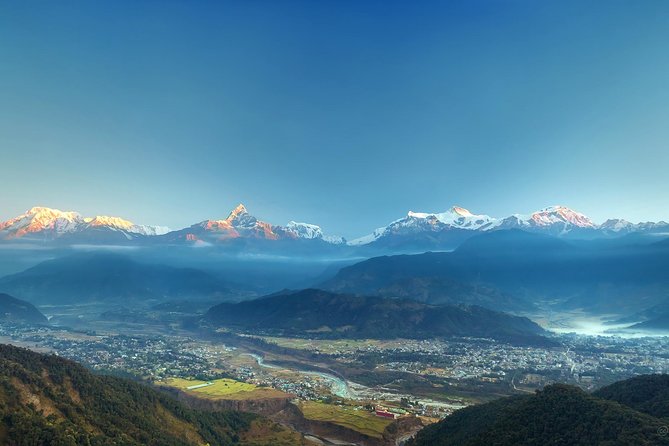
I especially love the way the views line up as you launch. If your eyes stay open, you can spot Machhapuchhre (Fishtail), the Annapurna range, the Seti stream, and lush green canopy below while you fly. I also love the calm, safety-minded approach, from hotel pickup through the ride itself, so even a height-averse person can get through it.
One thing to plan for: the flight is short, and the overall time can feel long. A few hours on-site waiting can make the experience feel like more waiting than flying, even though the launch and speed are the main event.
In This Review
- Key things to know before you fly
- What You’re Riding Above Pokhara: 1.8 km, 600 m, 56% incline, and 100 mph
- From Lakeside to Sarangkot: Pickup, shuttle ride, and village views before launch
- The Top Station Routine: Harness seat, calm instructions, and what to do with your nerves
- The Flight Itself: forest canopy, Seti stream, Annapurna, Machhapuchhre, and landing at Hyangja
- Why the day can feel long: timing, waiting, and how to make it worth it
- Price and value at about $111.12: what you really get
- Who should book this Pokhara zipline, and who might hesitate
- The practical checklist: how to plan your day
- Should you book the Pokhara Zipline Flying?
- FAQ
- What time does the Pokhara Zipline Flying start?
- Where does the zipline operate?
- Is hotel pickup included?
- How long is the experience?
- Is food or drinks included?
- How big are the groups?
- Is free cancellation available?
Key things to know before you fly
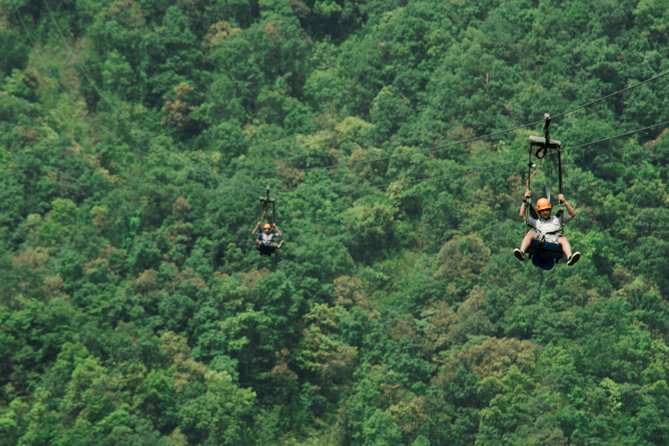
- 1.8 km length and 600 m drop: a real “big-line” route, not a quick hop.
- Speed up to 100 mph: the ride moves fast once you’re off.
- Sarangkot start at 1592 m: you climb from Lakeside, then fly from the high station.
- Views built into the course: Annapurna, Machhapuchhre, Seti stream, and forest canopy below.
- Max 12 travelers: a smaller group helps the day feel less chaotic.
- Food isn’t included: you’ll need to handle drinks and meals yourself.
What You’re Riding Above Pokhara: 1.8 km, 600 m, 56% incline, and 100 mph
This is the kind of zipline that gets your attention before you even reach the top station. The route is 1.8 kilometers long, with a 600-meter vertical drop, and it’s set at a 56% incline. That steepness matters because it changes the feeling of the line—less like sliding and more like launching yourself downhill with momentum.
The operator describes it as Nepal’s tallest, longest, and fastest zipline. You’ll hear those claims a lot, but the practical takeaway is this: the line is long enough to give you time to look around, and steep enough to feel intense when you let go of the top. Many people come here for adrenaline, but you don’t need to be a daredevil. The ride is short enough to be manageable, and the harness system does the work of keeping you secure while you focus on what’s outside the station windows.
One more detail that shapes your expectations: the visible “hump” and speed. You’re said to reach fast speed—up to around 100 mph—so the feeling is quick acceleration, then sustained motion across the valley. Even if you’re not chasing thrills, it’s still a memorable “wow, I’m really moving” experience.
From Lakeside to Sarangkot: Pickup, shuttle ride, and village views before launch
Your day starts in Pokhara—usually from the Lakeside area. You’ll board a shuttle that takes you up toward Sarangkot, where the top station sits at 1592 meters. Hotel pickup is included, so you don’t waste time finding the start on your own.
As you climb, your guide can narrate the route as you pass through the village of Sarangkot. That matters because it turns the drive from a boring transfer into part of the experience. You’ll have that gradual shift from town views to hill views, and you’ll start seeing why people base themselves here for sunrise and mountain sightlines.
Once you’re at the high point, there’s a brief walk involved to reach the waiting area (near a Butterfly collapsible shelter). From there, you’re close to the big views—mountains overhead and the valley spreading out below. In plain terms, you’ll feel like you’re already in the air, even before the launch.
The Top Station Routine: Harness seat, calm instructions, and what to do with your nerves
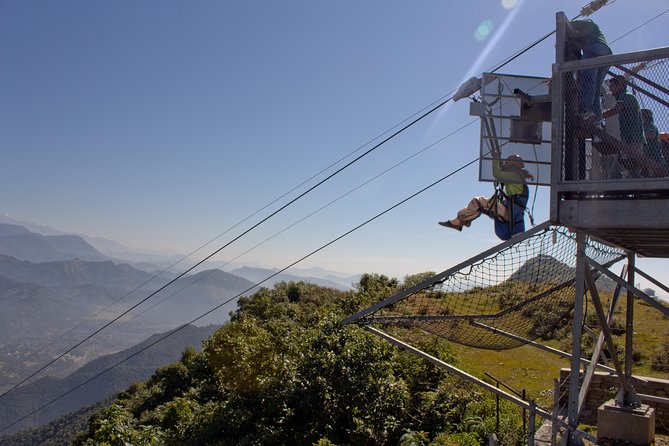
At the top station, you’ll spend time getting into the special harness setup. The ride height is described around 5,400 feet above water level, which gives you a sense of scale. Once you’re seated, you’re not just standing around—your whole body is ready to move.
The group flow is structured: two people launch right away, and then the turn order follows. That’s good because it keeps things moving in batches. It also means you’ll have a bit of waiting while the earlier pair is already gone. If you’re even slightly nervous, this is the moment to control the story in your head. Think of it as a checklist:
- listen to the instructions you’re given
- keep your body relaxed in the harness
- focus your eyes on the view for a few seconds, not on the drop
A small practical note: bringing earplugs can help. One comment specifically suggested it, which makes sense for a ride that’s fast and loud as you hit speed. You don’t need to turn into an audiophile for it, but it’s a good idea.
Also, note what’s not included: food and drinks. The top-station time can stretch, and the pace of the day is designed around the operation schedule. So if you’re the kind of person who gets cranky when hungry, plan ahead.
The Flight Itself: forest canopy, Seti stream, Annapurna, Machhapuchhre, and landing at Hyangja
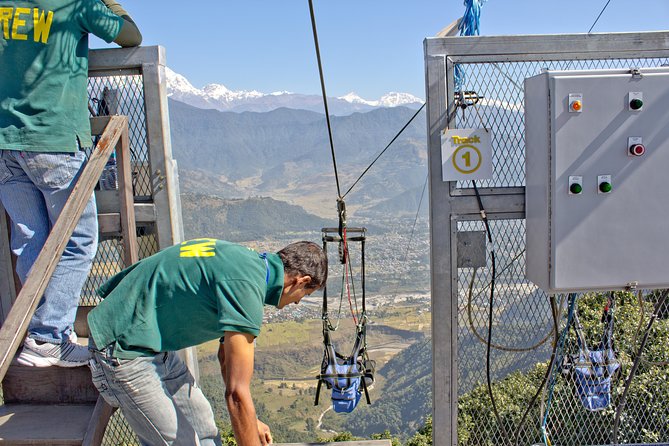
Here’s where the whole day earns its keep.
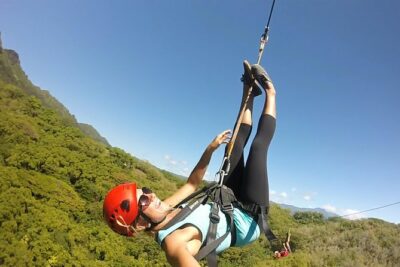
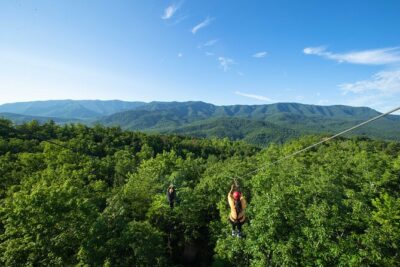
Once the countdown hits—5, 4, 3, 2, 1—you’re off. The sensation is fast acceleration into motion. You move above the dense forest below, and that canopy changes the feeling from exposed cliff to something more like flying over a living green carpet.
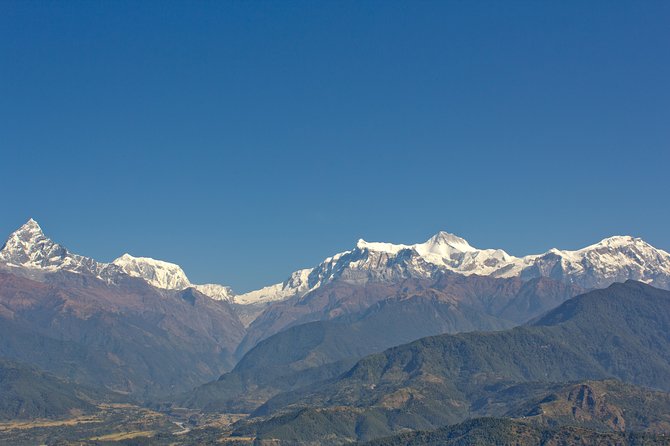
If you keep your eyes open (harder than it sounds), the mountain view is a big part of the payoff. The course is timed so you can catch sight of:
- Machhapuchhre (Fishtail Mountain)
- the Annapurna mountain range
- the Seti stream cutting through the valley
This is one of the reasons people who don’t think they care about ziplines still end up loving it. The ride isn’t just a thrill; it’s a moving viewpoint with speed.
And then it’s over—landing on within the village of Hyangja. One review-style detail that’s useful for your expectations: while the zipline flight is intense, the actual ride time can feel like it’s around 90 to 120 seconds. That doesn’t mean it’s not worth it. It means you should treat it as a sprint of adrenaline plus scenery, not a long cinematic glide.
Why the day can feel long: timing, waiting, and how to make it worth it
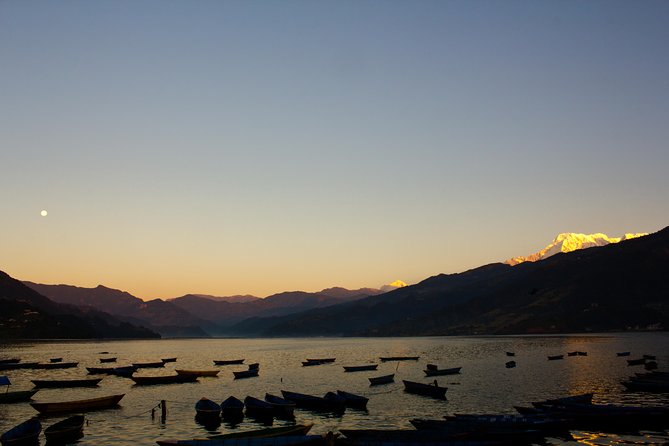
The overall tour duration is about 2 hours 30 minutes (approx.). That sounds tight. But there’s a catch: the operation needs time for pickup, transport, harness setup, batching launches, and the walk to the waiting area.
One of the biggest criticisms is waiting. People have experienced long stretches hanging around—hours—while the ride itself is relatively short. That doesn’t mean the operator is doing anything shady. It means you should plan your mindset:
- Your “fly time” is limited.
- Your “on-site time” can be longer than you expect.
If you hate waiting, come prepared to stay patient. Bring something small to occupy your hands and mind, and don’t plan a tight next activity immediately after. If you’re traveling with a friend who spirals when bored, keep their schedule flexible too. This is one of those activities where a calm plan beats rushing.
The good news: the group size cap of up to 12 travelers helps. Smaller numbers can reduce messy crowd energy at the station, and it supports a more controlled pace.
Price and value at about $111.12: what you really get
The price is $111.12 per person, and it includes the big practical pieces that usually add hidden costs: pickup from your Pokhara hotel and the drive to Sarangkot, plus the zipline ride itself. You also get a mobile ticket, and confirmation comes at booking.
Food and drinks are not included. That’s worth noting because a day that already has waiting time can make you hungry. So treat this as a paid adventure where you handle your own meals and water.
Is it expensive? It’s not the cheapest activity in Nepal, and the price reflects that this is a major “big-line” attraction. Where the value comes from is the combination:
- hotel pickup that saves hassle
- transport up to Sarangkot
- a long, steep line with major drop numbers
- major mountain views tied to the course
If you compare it to smaller ziplines elsewhere, it often feels like a step up in scale. If you compare it to gentler activities in Pokhara, it can feel like a splurge. My advice: if you’re choosing between a relaxed half-day and a high-speed, high-view day, this is the one that gives the clearest “I did something physical and memorable” result.
Who should book this Pokhara zipline, and who might hesitate
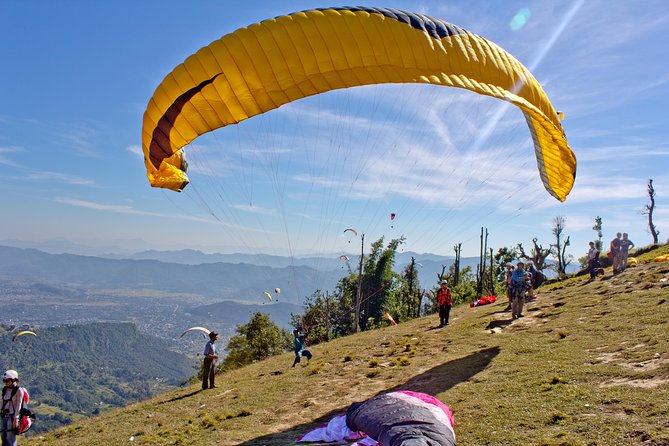
This ride is described as something young and old alike can enjoy, and “most travelers can participate.” That’s a good sign if you’re not chasing a specific sport identity—you just want an adventurous day.
You should strongly consider booking if you want:
- serious views of the Annapurna region
- a zipline that feels steep and real, not mild
- a guided experience that handles transport and the important safety steps
You might hesitate if:
- you dislike waiting around for hours
- you’re expecting a long ride time instead of a short, intense run
- you don’t want to pay a premium for a top-tier attraction
It’s also described as couple friendly, which makes sense. Sharing the launch countdown and the “we did it” feeling can be a nice bonding moment, especially with the scenery in the background.
The practical checklist: how to plan your day
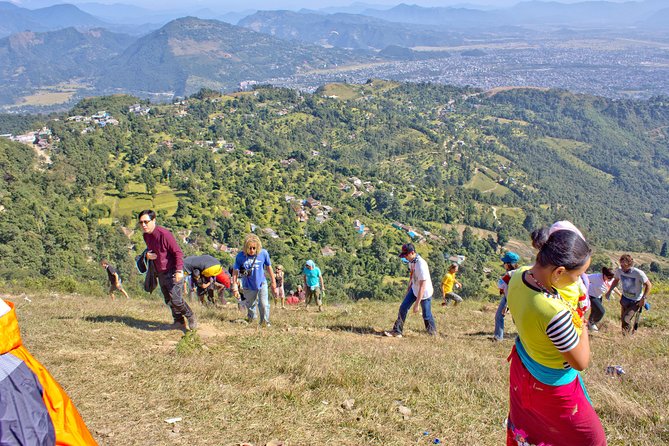
Before you go, lock in a few basics based on how the operation works:
- Start time is 9:15 am.
- Plan on a walk to the station area after you reach Sarangkot.
- Remember the “on-site vs flight time” difference. The day can involve waiting.
- Since food and drinks aren’t included, you’ll want to handle your own needs.
- The experience allows service animals, and it’s near public transportation.
Finally, it’s run by Osho world Adventure. That can matter if you’re cross-checking details or asking questions on the day.
Should you book the Pokhara Zipline Flying?
Book it if you want a big, fast zipline day with mountain views that are hard to see from anywhere else in the same way. The combination of a long line, steep drop, and Annapurna/Machhapuchhre sightlines makes it feel like more than a standard adrenaline stop.
Skip it (or at least adjust your expectations) if your top priority is minimizing waiting time. You may spend much of the morning or early afternoon on-site for a relatively short flight. If you’re okay with that trade-off—and you’re excited by the idea of flying downhill through forest with Himalayas overhead—this is the kind of Pokhara activity that sticks with you.
FAQ
What time does the Pokhara Zipline Flying start?
It starts at 9:15 am.
Where does the zipline operate?
It operates from Sarangkot in Pokhara.
Is hotel pickup included?
Yes. Pickup from your Pokhara hotel and the drive to Sarangkot are included.
How long is the experience?
It’s about 2 hours 30 minutes (approx.).
Is food or drinks included?
No. Food and drinks are not included.
How big are the groups?
The maximum group size is 12 travelers.
Is free cancellation available?
Yes. You can cancel for a full refund up to 24 hours in advance of the experience start time.