REVIEW · POKHARA
Pokhara: Experience The World’s Steepest Zipline
Book on GetYourGuide →Operated by Highground Nepal · Bookable on GetYourGuide
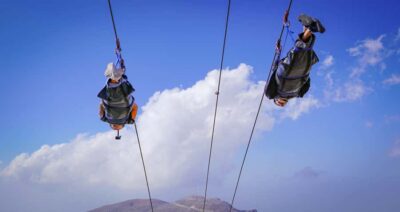
Pokhara’s zipline moment feels like gravity turned up. This is ZipFlyer Nepal, billed as the world’s steepest line, with a 56-degree initial drop and speeds over 100 km/h while you shoot past huge Himalayan views. I also like the dual, side-by-side zipline setup, which makes it more fun than a solo run and gives you someone to share the moment with.
One big consideration: this activity is not suitable for many people, including kids under 10 and anyone under 18, plus people with high blood pressure, back problems, pregnancy, or other medical conditions. If you fit those limits, the ride can be a thrill; if not, it’s better to look for a calmer way to enjoy Pokhara from the same area.
In This Review
- Key things that make ZipFlyer Nepal special
- ZipFlyer Nepal: the 56-degree drop that changes how you think about ziplines
- The 3-hour plan: from Lakeside pickup to the final glide
- Dual side-by-side riding: why it feels more fun than a solo line
- Harness choice: seated vs Superman and how to pick what fits you
- Views over the Annapurna region: Mount Machhapuchhre and the Seti River
- Speed, safety, and the staff who keep it controlled
- Price and value at $63: what you get for the money
- Who this zipline fits (and who should skip it)
- Adding bungee jumping after your zip: a smart combo day
- What to bring (and what to leave at home)
- Should you book ZipFlyer Nepal in Pokhara?
- FAQ
- Where is this zipline experience located?
- How long does the experience take?
- What does the price include?
- Do I need to bring food or drinks?
- What’s the main thrill of this zipline?
- How fast and how long is the zipline?
- What should I bring with me?
- Is luggage allowed?
- What are the age and medical restrictions?
Key things that make ZipFlyer Nepal special
- World steepest-style drop: a 56-degree start that sets the tone instantly
- Dual side-by-side runs: ride next to a partner instead of just watching the person ahead
- Speed and length numbers you can picture: over 100 km/h, 1850 meters long, and 600+ meters of vertical drop
- Himalaya views you’ll recognize: Annapurna region, Mount Machhapuchhre, and the Seti River
- Smooth, guided flow: included transfers from Lakeside and an organized briefing before boarding
ZipFlyer Nepal: the 56-degree drop that changes how you think about ziplines
This isn’t a casual afternoon ride. ZipFlyer Nepal is built around a scary-cool first moment: a steep 56-degree drop that grabs your attention before your brain has time to talk you out of it. The speed climbs past 100 km/h, so your body reads it as a fast aerial slide, not a leisurely “look at the view” experience.
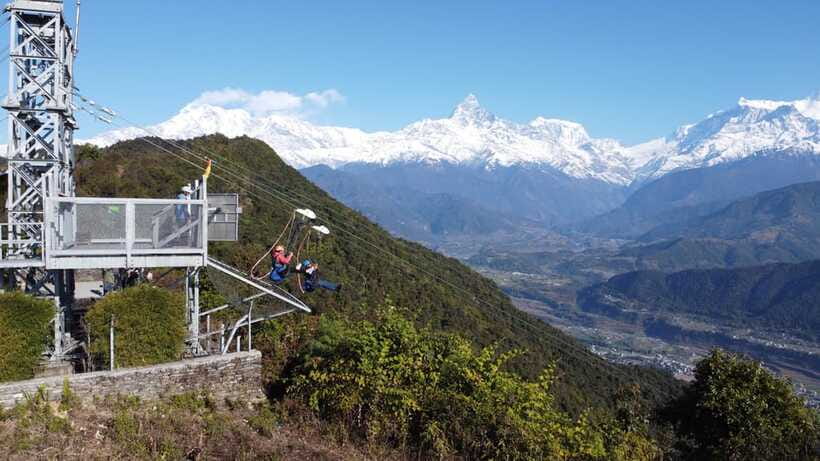
What I like most is that the thrill is paired with real scenery. You’re not just shooting down a wire; you’re traveling through sightlines tied to the Annapurna region, including Mount Machhapuchhre and views of the Seti River. That matters because the best adrenaline trips in Nepal usually have both the body rush and the mind payoff.
The other key ingredient is the dual format. Riding side by side changes your focus. You’re less likely to get stuck in your head, and you can compare the experience with your partner in real time.
The 3-hour plan: from Lakeside pickup to the final glide
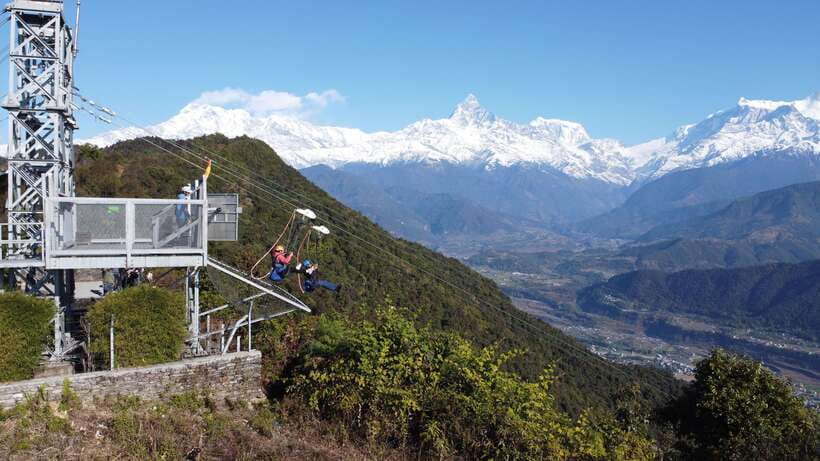
Your day is kept simple on purpose. The whole experience runs about 3 hours, and transportation is included as long as you’re at the pickup point on time. You’ll start from the Lakeside office and be transferred toward the zipline launch area.
Depending on what route is running, you’ll either drive for about 30 minutes by car or take a short cable car ride around 9 minutes, followed by a short walk. It’s not long enough to turn into “travel day,” but it does get you into the foothills setting where the zipline makes sense.
Once you arrive, you go through security. Then comes the briefing and the ride itself. The operator runs it in a step-by-step way, and that’s a big deal because the drop is steep. After your zip, you’re brought back to the Lakeside area, since transfer to Lakeside is included.
A small practical note: you should plan to arrive early. The pickup asks you to be at the collection location at least 30 minutes before boarding time, which gives you buffer for security and any timing adjustments.
Dual side-by-side riding: why it feels more fun than a solo line
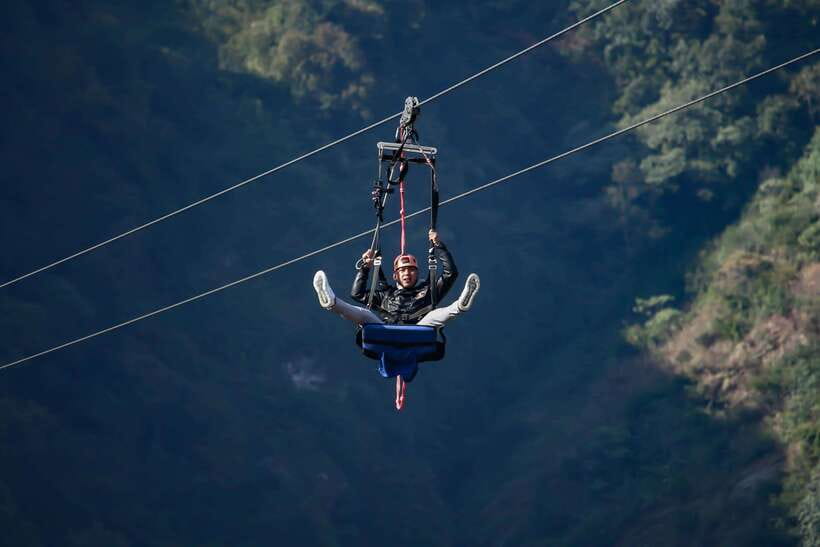
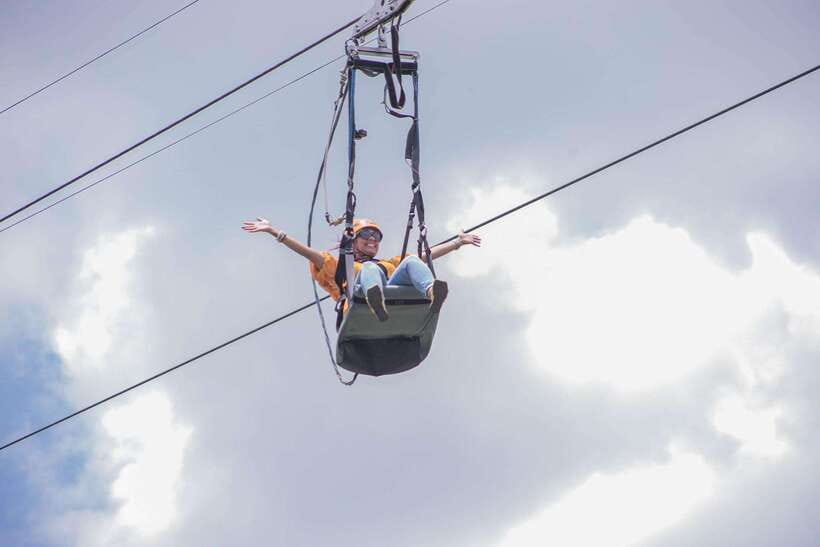
Most ziplines are built around the “wait your turn, then go” rhythm. ZipFlyer Nepal’s dual zipline setup changes the vibe. Instead of being alone with your thoughts, you’re paired up and move alongside another rider.
That pairing can help in two ways:
- If you’re with a friend or partner, the moment becomes shared, not just endured.
- If you’re nervous, watching someone travel side by side can make the ride feel more real and less like an unknown leap.
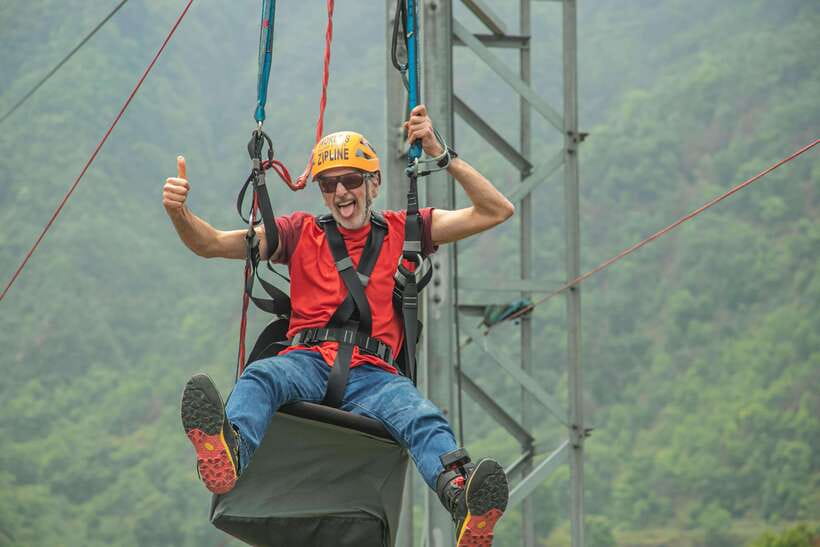
You also get a choice of harness style before boarding: seated or Superman. The seated option is the more classic posture, and the Superman option is the “spread out and fly” feeling. If you want the most aerodynamic sensation, Superman usually wins. If you want comfort and control, seated is the calmer route.
Harness choice: seated vs Superman and how to pick what fits you
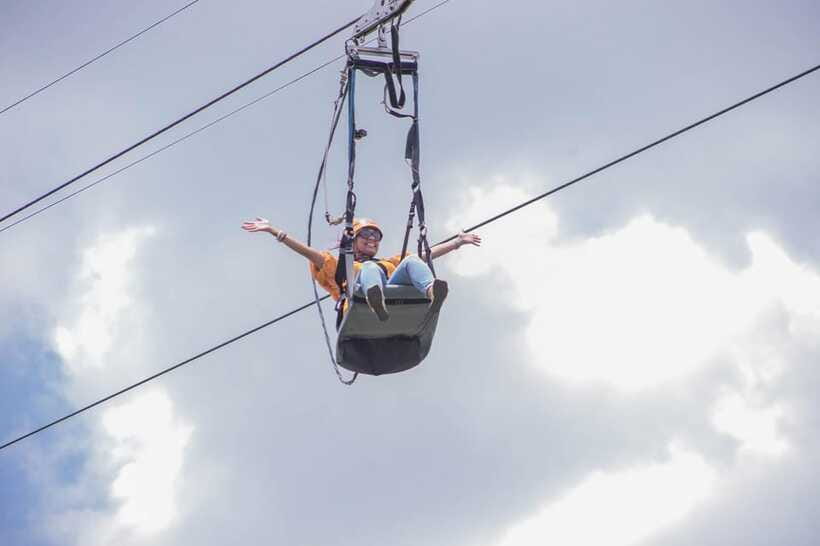
I like that the choice is offered before you board, because once the run starts, you’re committed. The data you have here is simple: you choose between a seated harness and a Superman harness, both of which are part of the standard experience.
So how should you pick? Think about your body and your nerves, not just your desire for the coolest photo.
- Choose seated if you prefer a more stable posture while you launch into that first steep drop.
- Choose Superman if you want that full-flight sensation and you’re comfortable holding position through speed and airflow.
Either way, you’ll want to keep your plan for your hands and posture simple. Follow the instructions in the briefing, and don’t overthink it once you’re clipped in. The ride is intense, and the best approach is to focus on breathing and on where you’re looking as you move out over the valley.
Views over the Annapurna region: Mount Machhapuchhre and the Seti River
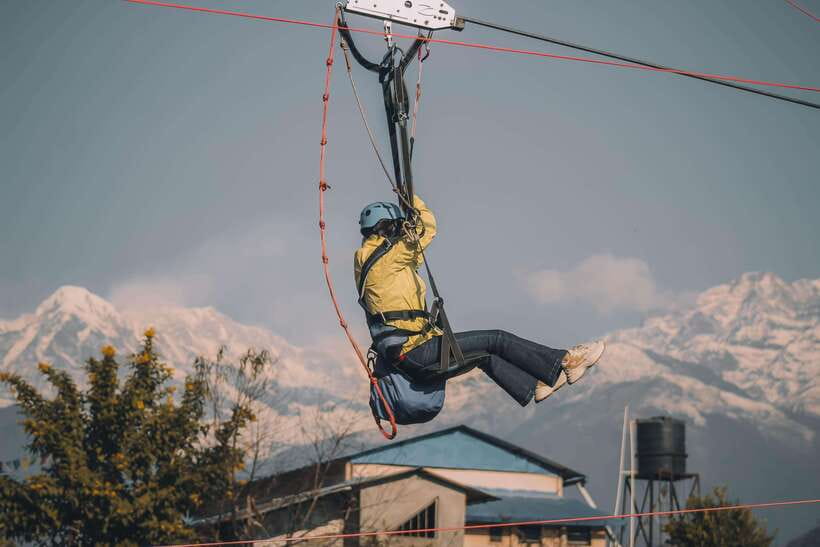
The zipline is famous for its stats, but the scenery is the reason it stays interesting after the initial shock. You’re flying with sights of the Annapurna region, including Mount Machhapuchhre. That’s one of those Nepal landmarks people talk about for a reason: even from a distance, it’s recognizable and dramatic.
You’ll also get views of the Seti River, which helps you orient the valley below as you move along the wire. And because this is in Pokhara’s broader Annapurna/ABC hiking area, the visuals feel tied to the mountains you’ve seen in posters and on trek maps.
Here’s the practical tip: don’t spend the whole run staring at your hands. If you look far enough ahead, you’ll catch longer sightlines of the ridges and the valley drop, and that’s where the “this is Nepal” feeling hits hardest.
Speed, safety, and the staff who keep it controlled
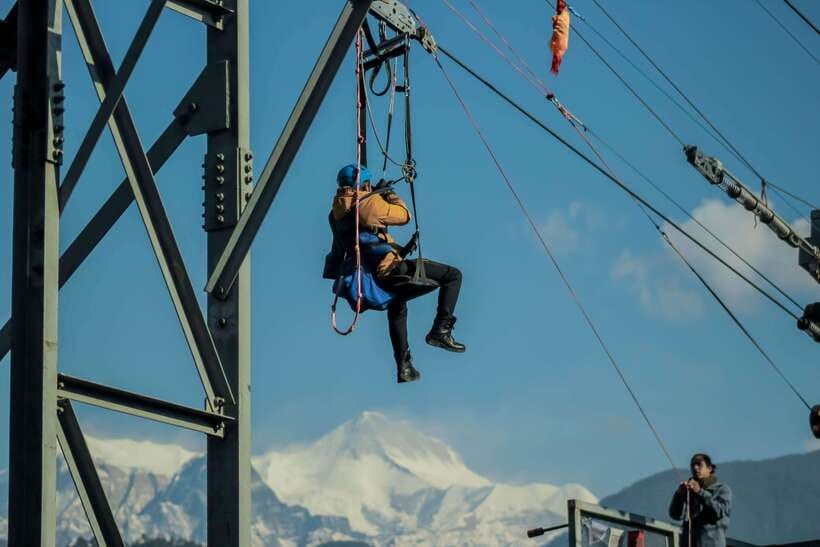
The experience is designed to be thrilling, but it’s not chaotic. You get a briefing and ride guidance, and you’re also stopped at security before you go out to the launch area. That structure helps because steep drops are a mental challenge as much as a physical one.
I’d expect clear instructions and a team that stays active during the process. The ride’s success is all about timing and technique: you need to get clipped correctly, understand the harness posture, and then let the line do the work.
Also keep in mind what’s allowed and what’s not. You can’t bring luggage or large bags, and alcohol and drugs are not allowed. That keeps the launch area safer and keeps gear from becoming a problem while everyone lines up.
Footwear matters too. Sandals and flip-flops aren’t allowed, so wear shoes that stay secure when you’re moving around before boarding.
Price and value at $63: what you get for the money
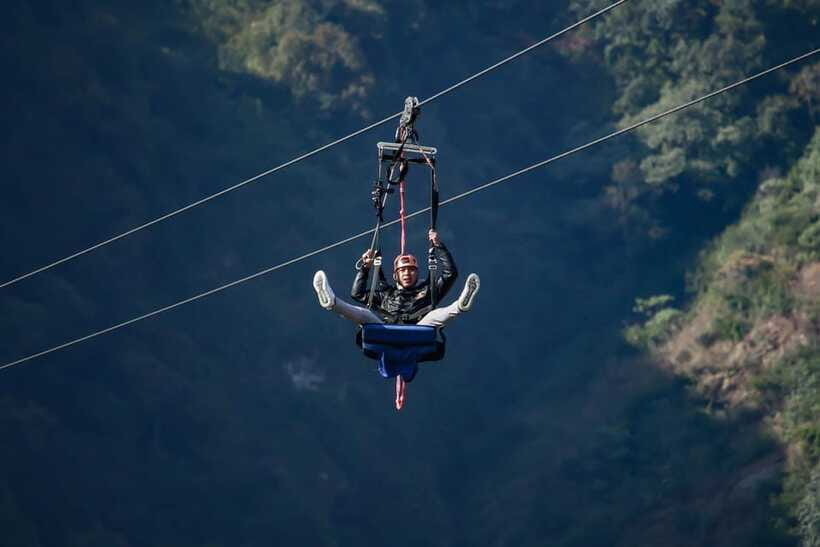
At $63 per person for a 3-hour experience, this sits in the “pay for the thrill” category. The value comes from what’s packed into the price, not just the headline speed.
Here’s what’s included:
- Briefing and the ride itself
- An activity certificate
- All taxes and fees
- Transfers from the Lakeside area to the zipline launch site
- Transfer back to Lakeside
What isn’t included:
- Food and drinks
For many people, the big value win is the built-in transportation. If you’ve spent time in Pokhara, you know how annoying it can be to coordinate rides, parking, and timing for outdoor activities. Here, the trip is handled for you, and that reduces friction.
Is it worth $63? If you want a serious adrenaline experience with real mountain views, the answer is usually yes. This isn’t a slow scenic zip that you could replace with an afternoon viewpoint. This is a high-speed run with steep drop angles, dual riding, and Himalayan scenery all tied together.
Just plan to budget for snacks and water separately. If you go in hungry, the ride itself is short, but the overall experience time still takes about 3 hours.
Who this zipline fits (and who should skip it)
ZipFlyer Nepal is not for everyone. The activity lists multiple “not suitable” categories, including:
- Children under 10 years
- People with high blood pressure
- Children under 18 years
- People with back problems
- Pregnant women
- People with pre-existing medical conditions
- Wheelchair users
That might look strict, but it’s consistent with how intense the ride is: fast speeds, steep drop angles, and strong motion. If you’re in any of the restricted categories, don’t treat it as a “maybe.” Find a different Pokhara activity that matches your comfort and safety needs.
If you’re an able adult who wants a real speed-and-view experience, you’ll likely enjoy it. The dual format is also a plus for groups who want to share the moment rather than watch from a distance.
Adding bungee jumping after your zip: a smart combo day
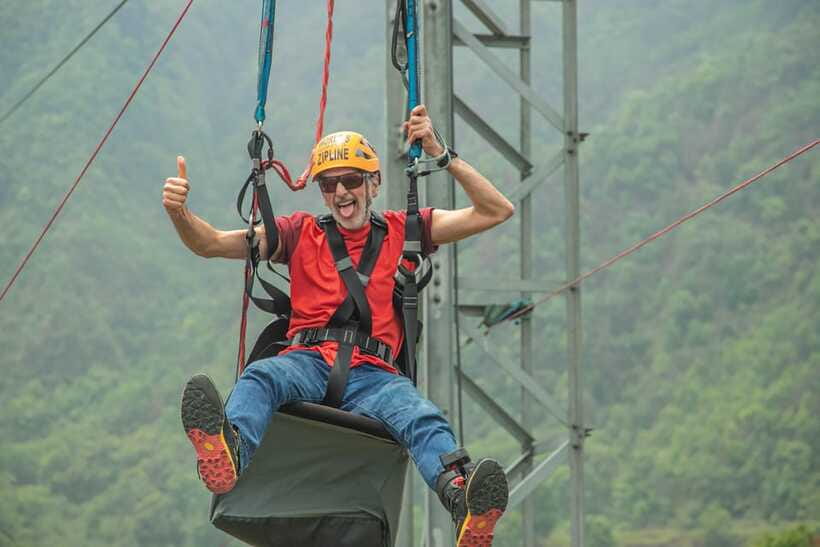
One practical advantage of the layout: the zipline ends at the spot where a bungee jump is available nearby. That means you can add another adrenaline activity without wasting time relocating around the area.
If you’re the type who enjoys stacking activities, this setup works well. Zip first, then decide on the next thrill while you’re already geared up in the area. Just keep in mind that you’ll need to follow whatever rules that operator uses for their jump.
What to bring (and what to leave at home)
Keep your packing simple. You need passport or an ID card. Everything else is about staying within the rules of the launch area.
Don’t bring:
- Luggage or large bags
- Alcohol or drugs
- Sandals or flip-flops
Do wear:
- Footwear that stays put and feels secure when you’re walking and lining up
Also be ready for security checks on arrival.
This is one of those experiences where traveling light keeps the day smooth. The ride is intense, so you don’t want delays caused by gear, footwear issues, or anything you forgot at your hotel.
Should you book ZipFlyer Nepal in Pokhara?
If you want the “world’s steepest zipline” style thrill, with dual side-by-side fun and Himalayan views that you can actually identify, I think this is a strong pick. The combination of steep drop stats, high speed, and landmark scenery (Annapurna region, Machhapuchhre, and the Seti River) makes it more than a one-dimensional adrenaline stunt.
Book it if:
- You’re comfortable with intense speed and motion
- You want to ride side by side, not just wait your turn
- You like activities where the views are part of the payoff
Skip it if:
- You’re in any of the listed medical, pregnancy, or back-problem categories
- You need wheelchair access
- You’re looking for a gentle scenic ride rather than a steep, fast one
If you’re unsure, the fastest way to decide is to match your comfort level to the ride intensity. This is built around a 56-degree drop and speeds above 100 km/h. If that sounds exciting to you, you’re likely a good fit.
FAQ
Where is this zipline experience located?
It’s in Pashchimanchal, Western Region, Nepal, with the pickup starting from the Lakeside area in Pokhara.
How long does the experience take?
The duration is 3 hours.
What does the price include?
Included are taxes and fees, a briefing and ride, an activity certificate, and transfer to and from Lakeside.
Do I need to bring food or drinks?
Food and drinks are not included, so you’ll want to plan for that separately.
What’s the main thrill of this zipline?
The run features a 56-degree initial drop and speeds over 100 km/h, plus major downhill height and length.
How fast and how long is the zipline?
The zipline is 1850 meters long with a vertical drop of over 600 meters, and you travel at over 100 km/h.
What should I bring with me?
Bring a passport or ID card.
Is luggage allowed?
No. Luggage or large bags are not allowed, and you should also avoid alcohol and drugs.
What are the age and medical restrictions?
It’s not suitable for children under 10 and anyone under 18, and it’s also listed as not suitable for people with high blood pressure, back problems, pregnancy, pre-existing medical conditions, and wheelchair users.