REVIEW · OKERE FALLS
Okere Falls: Zipline over Waterfalls Experience
Book on GetYourGuide →Operated by Okere Adevntures · Bookable on GetYourGuide
A waterfall and a zipline. That’s the headline. What makes this one special is the combo of Ōkere Falls views plus Ancient Māori tea and storytelling, guided by people who clearly know how to get first-timers calm. Guides like Lex and Alina are repeatedly praised for putting nervous riders at ease, while still keeping the whole run exciting.
I also really like the way Rotorua Ziplines ties the thrill to forest restoration. You end with a tree in your name as part of a reforestation push aimed at 100,000 native trees by the end of 2025, and the native-forest walk (boardwalks and swing bridges) turns the whole hour-plus into more than just flying. The main drawback to keep in mind is comfort on a damp day: the tour runs in rain or shine, and while you get wet/cold weather gear, you should still expect Rotorua-style mist and chill.
In This Review
- Key things that make Ōkere Falls ziplining worth your time
- Why Ōkere Falls ziplines feel more personal than a typical adventure park
- How the run flows: check-in, gear, forest walk, and the zipline circuit
- Flying over Ōkere Falls: what the big views deliver
- Boardwalks, swing bridges, and the chance to notice the bush
- Tea break and Māori storytelling: a small pause with real payoff
- Tree planting in your name: why the conservation angle isn’t just marketing
- Price and value: is about $80 per person a fair deal?
- Practical tips so your harness day goes smoothly
- Who this Ōkere Falls zipline suits best (and who should skip it)
- Should you book the Okere Falls zipline over waterfalls?
- FAQ
- Where is the meeting point?
- How long does the experience take?
- What does the price include?
- Is food included?
- Do I need my own zipline gear?
- What should I wear or bring?
- Does the tour run in bad weather?
- What’s the group size?
- Is it offered in English?
- Who is it not suitable for?
- Should you book the Okere Falls zipline over waterfalls?
Key things that make Ōkere Falls ziplining worth your time
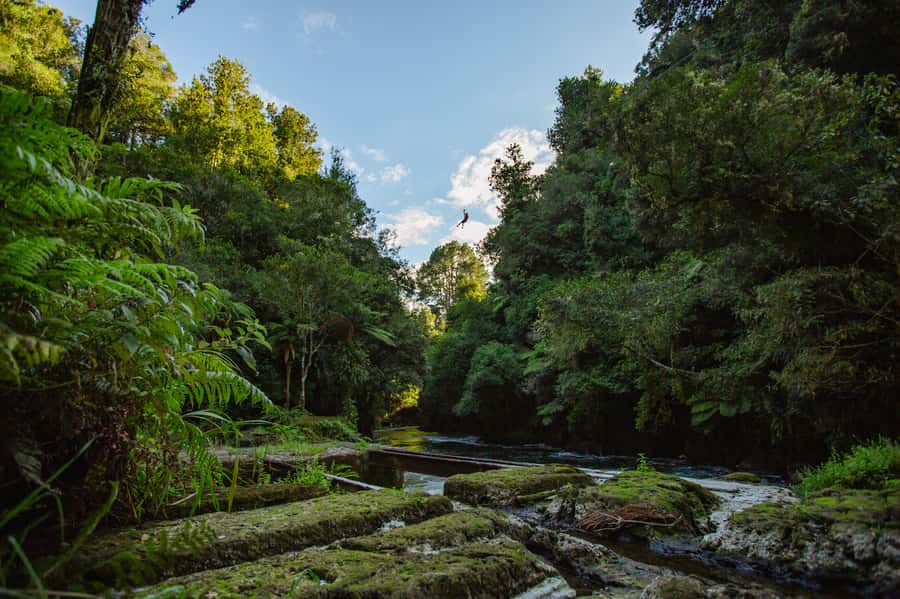
- Zipline over Ōkere Falls with panoramic views across native forest and the falls
- Small group size (limited to 10) so you get clear coaching and a less crowded feel
- Suspension bridges, boardwalks, and a mix of ziplines for more variety than a straight line
- Tea and Māori regional storytelling using Ancient Māori teas
- Tree planting in your name tied to native forest restoration goals
Why Ōkere Falls ziplines feel more personal than a typical adventure park
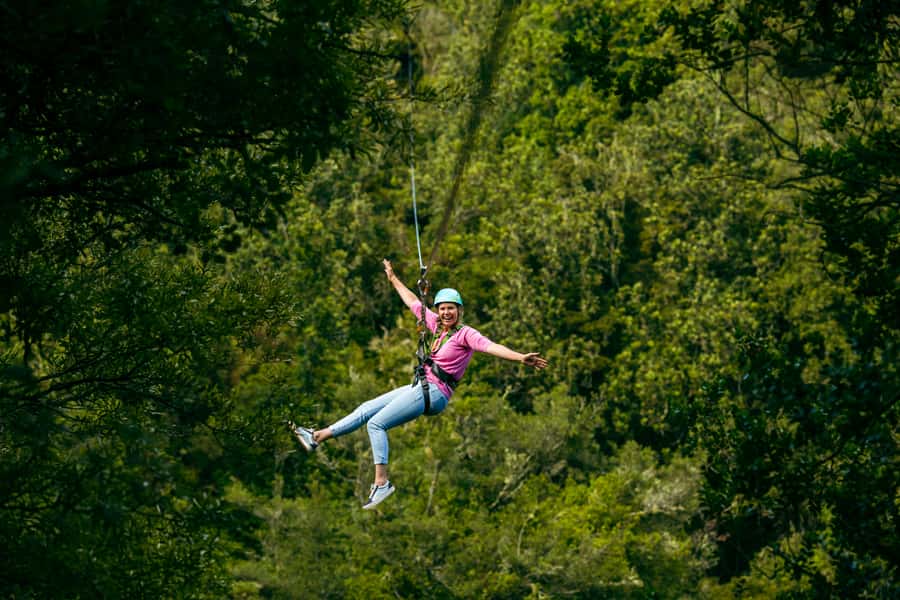
Ōkere Falls sits close enough to Rotorua to make this a smooth half-day add-on, but it still feels like a real nature experience. You’re not just paying for speed; you’re getting a guided walk through the native bush with built paths (boardwalks) and those classic swing-bridge moments.
What makes it click for me is the human layer. This is described as a Māori culture-infused experience tied to the Ōkere Awa (the waterway) and created through a partnership involving Ngāti Hinerangi and Rotorua Rafting’s Ōkere Falls. During the run, you’ll hear storytelling tied to mauri (spirit) and the importance of the taiao (environment). Even if you’re there mainly for the zipline rush, that cultural context turns the scenery into something you can understand, not just point at.
And you can tell from guide names people bring up again and again—Rafa, Johnny, and Ollie; Luka and Ethan; Nui and Johnny—that the guiding style is part of the product. The consistent theme is calm, humor, and clear safety coaching so people can enjoy the flight instead of wrestling their nerves.
How the run flows: check-in, gear, forest walk, and the zipline circuit
Most days start beside the Okere Falls Café area. You’ll check in about 15 minutes before your trip time, and the starting point is roughly a 20-minute drive from Rotorua city. The experience is set for about 2 hours, and the on-course activities are described around 2.5 hours, so don’t plan a super tight connection right after.
You’ll get going in a practical order:
- Safety talk and harness/gear fit
You’ll be provided all equipment plus wet-weather/cold-weather clothing. This matters because it’s not a “bring your own” setup. You can show up focused on the experience, not on figuring out what cold-damp layers to wear.
- A guided bush walk on boardwalks
Boardwalks help you stay on track in the forest while keeping the walk accessible and low-impact. Expect a steady, guided pace rather than a scramble.
- Swing bridge moments
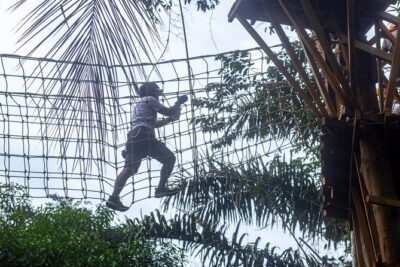
These are usually the points where people feel both excited and a little nervous—in a good way. If heights make you tense, the pacing and coaching are the difference between gripping the guide’s arm and actually enjoying the view.
- Zipline network
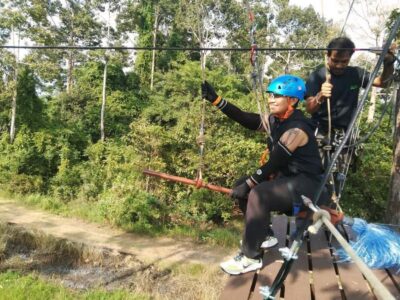
It’s not one line and done. You’ll ride a network of ziplines, and at least one part has been described as an upside-down moment. You’ll also hear about the natural surroundings along the way.
The tour is built to keep you moving. You’re not standing around waiting for someone else to finish a harness step. That flow helps first-timers, and it helps people who’ve done ziplines before, because there’s enough variety that it doesn’t feel repetitive.
Flying over Ōkere Falls: what the big views deliver
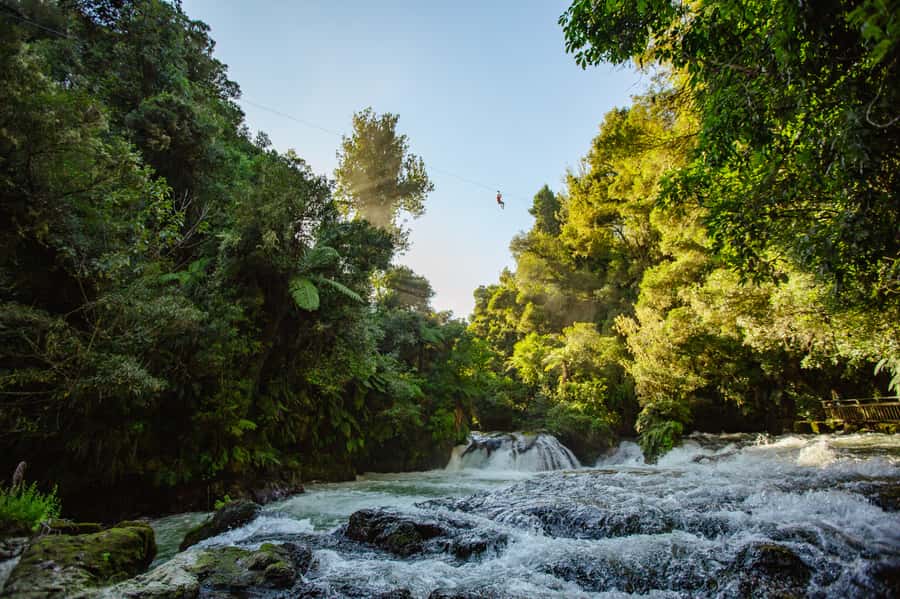
The headline experience is soaring above Ōkere Falls while you fly through and over the native forest. The goal is panoramic sightlines: you look out across treetops, you catch views of the falls, and you get that “I’m moving through the air above real nature” feeling.
A few details worth knowing so you’re not surprised:
- The scenery is the main show. You’re not just flying over empty space; you’re flying with forest around you and water below/nearby.
- Expect a mix of zipline styles. People mention variety and even an upside-down segment. That means you’ll likely get at least one moment that feels more daring than the simple glide.
- There’s a fun break in the middle. Some riders mention a surprise moment during the experience. The specifics aren’t something I’d plan your expectations around, but it does suggest the team builds in playful pauses so the energy stays high.
The best part is how the guides shape the experience in real time. People name-check guides such as Lex and Alina for easing nervous riders, and Ethan (paired with different co-guides in different groups) for making the whole thing feel safe and memorable. That sort of coaching is what helps you look where you should—out at the falls and treetops—rather than straight down at your own thoughts.
Boardwalks, swing bridges, and the chance to notice the bush
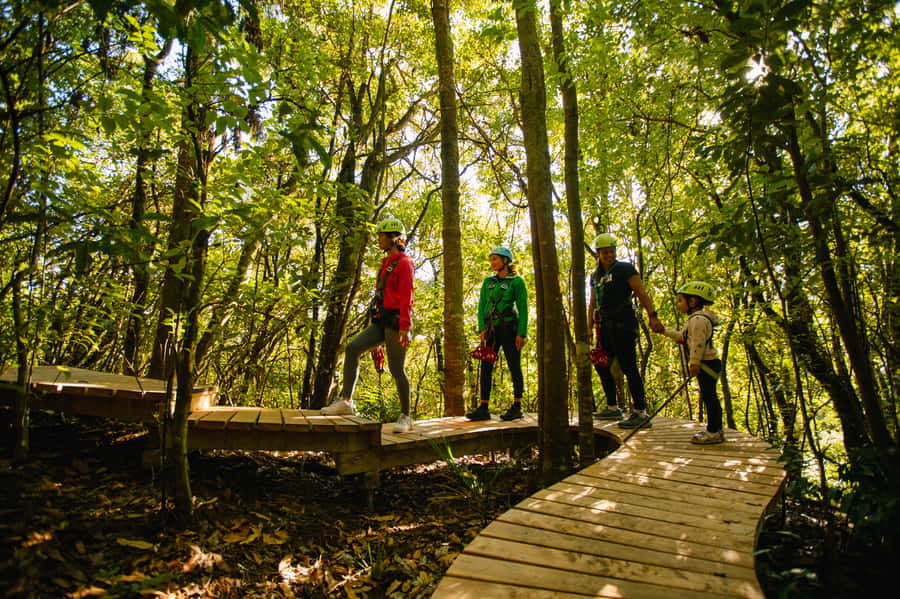
A lot of zipline tours skip the “nature part.” This one leans into it.
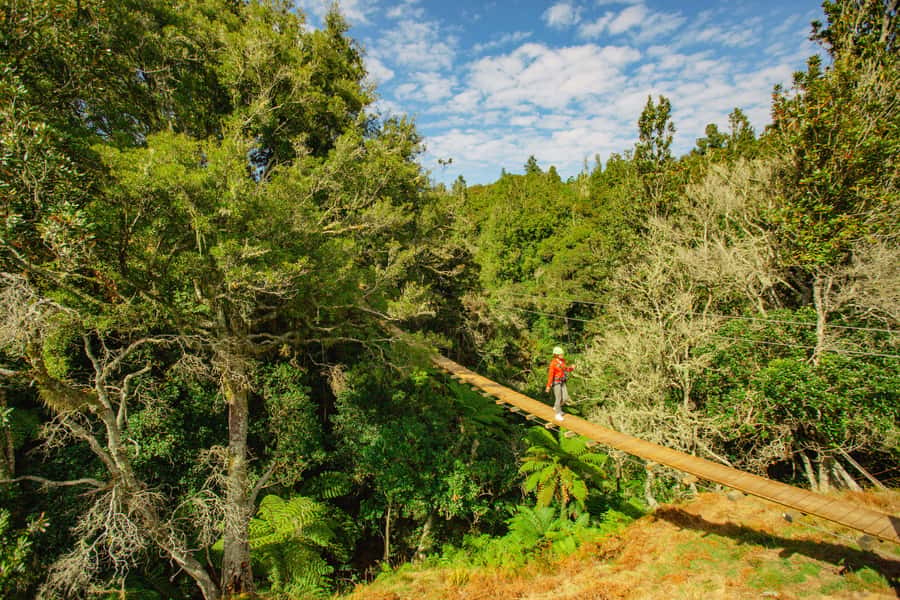
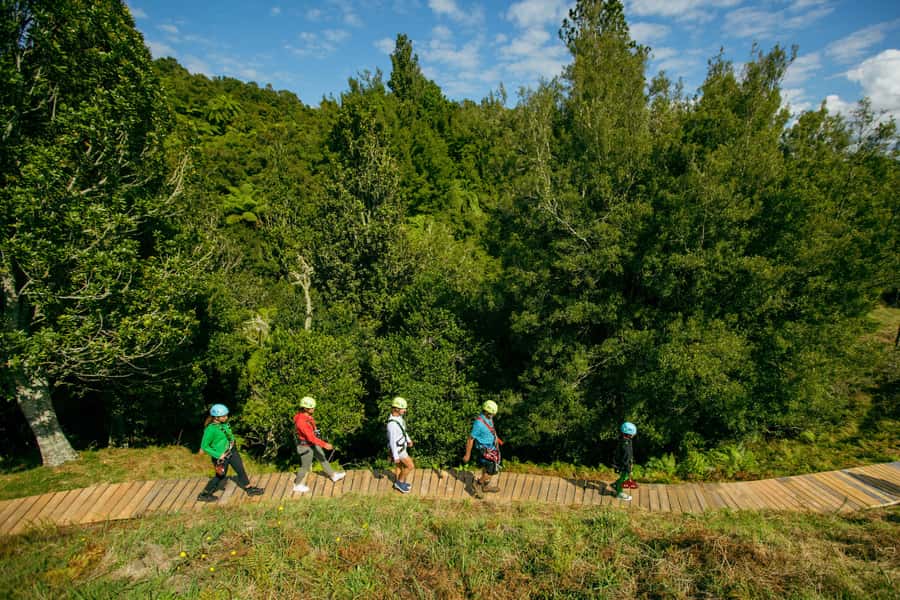
You’ll walk parts of the route on boardwalks, which keeps the focus on the surroundings instead of worrying about where to step. Swing bridges add that extra body-sense of movement and height, and they also give you a different angle on the forest compared to standing still.
You’ll also be given environmental context during the run, including information tied to native forest and birds. Even if you don’t memorize species names on the first try, you’ll start noticing what the guides are pointing out—how the bush changes across the walk, and how the route connects to the Ōkere Awa.
This is where the Māori cultural thread also helps. When you understand the mauri and the meaning of the taiao as something living and valued, the forest stops being scenery and starts being a place you treat with respect.
Tea break and Māori storytelling: a small pause with real payoff
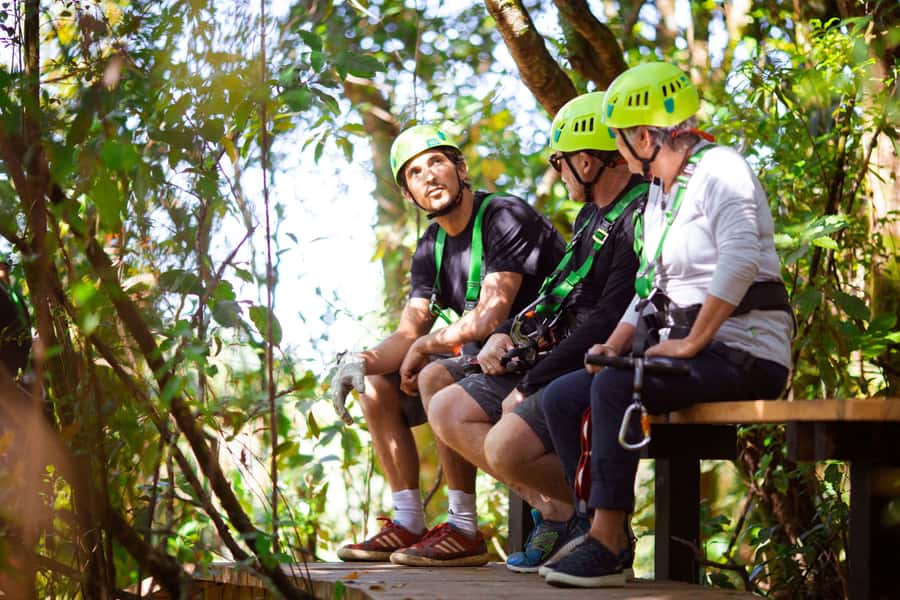
This experience includes tea—specifically Ancient Māori teas—and it’s more than a token sip. People describe it as educational, warm in cold conditions, and tied to regional storytelling.
What I like about this is timing. After you’ve already spent time flying and walking, the tea break gives you a reset. It also gives you something to focus on besides “fear of the next zipline.” You can listen, ask quick questions, and feel like the guides aren’t just running a ride—they’re hosting you.
If you’re a coffee person, tea might feel like a downgrade. Here it’s different because it’s paired with the cultural explanation. It also shows up as a repeated highlight, including on colder days when the warmth is extra welcome.
Tree planting in your name: why the conservation angle isn’t just marketing
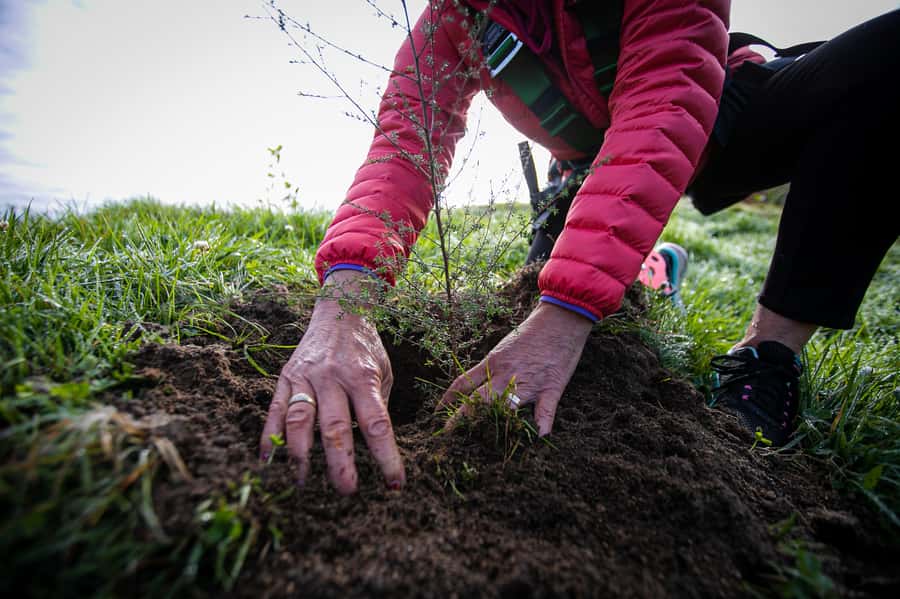
Ending with a tree in your name is one of those simple ideas that actually changes your mood at the end of the tour. You’re still thinking about the last flight—but now you’re also thinking about what happens after you leave.
The reforestation project is aimed at planting 100,000 native trees by the end of 2025, and the tour explicitly frames the tree planting as part of the environment-restoration story for Ōkere. That doesn’t undo the thrill, but it does make it feel grounded.
If you care about travel that leaves less of a footprint, this is a strong reason to book. You’re not just taking photos; you’re supporting active restoration connected to the place you’re visiting.
Price and value: is about $80 per person a fair deal?
At about $80 per person for roughly 2 hours, you’re paying for a lot that’s hard to get cheaply:
- All equipment (plus wet/cold-weather clothing)
- A local guide who leads the whole experience
- Tea included
- A phone lanyard (useful for filming while staying hands-free)
- A small group limit (up to 10 people)
- Conservation actions tied to your booking (tree planting)
That package matters more than the base ticket price. If you tried to recreate this on your own—finding gear, arranging guides, building a safe zipline route in a forest, and adding the cultural storytelling—you’d spend far more time and money than $80 and still wouldn’t get the same guided experience.
The only financial consideration is that food isn’t included. If you’re doing this at the start of your day, plan to eat before or after so you don’t leave hungry.
Practical tips so your harness day goes smoothly
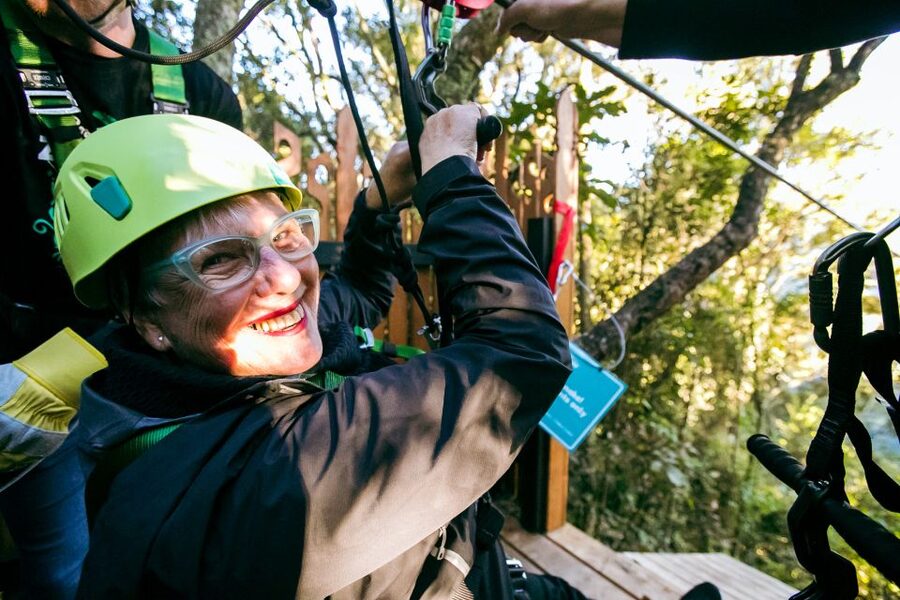
These are the basics that matter most:
- Wear closed-toe shoes. This is a hard requirement.
- Go in ready for rain or shine. You’ll get wet-weather/cold-weather clothing, but you’ll still want to expect damp Rotorua air.
- Bring yourself in a good listening mood. The guide instructions are what keep the ride fun, especially if you’re new to ziplining.
- Use the phone lanyard if you want to capture video. It’s included, which tells you the team expects you’ll want hands-free recording.
Also, do a quick self-check on the restrictions before you book:
- Not suitable for children under 5
- Not suitable for pregnant women
- Not suitable if you’re over 287 lbs / 130 kg
If you’re within those limits, the overall “wide range of ages and abilities” pitch is backed up by the guide style described—people who were nervous about heights still found a way through with coaching and encouragement.
Who this Ōkere Falls zipline suits best (and who should skip it)
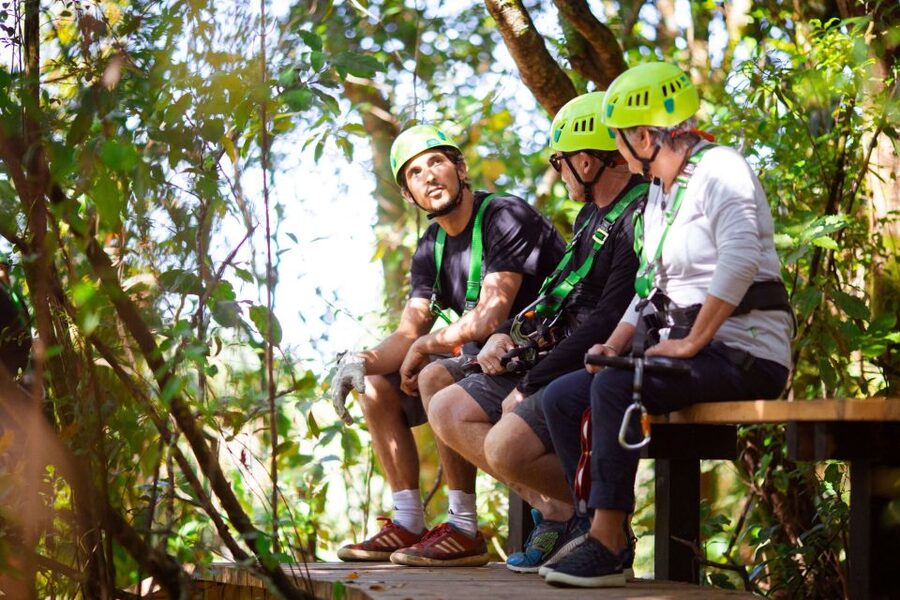
This is a great fit if you want:
- A real zipline thrill over a waterfall
- Forest walking with boardwalks and swing bridges
- Cultural storytelling plus tea
- A conservation payoff at the end (tree planting)
It might not be your best choice if:
- You’re pregnant (not suitable)
- Your comfort level with heights is very low and you want zero exposure to bridges and flying (the tour may still feel manageable with coaching, but it’s still a zipline course)
- You need food included during the activity (it isn’t)
Should you book the Okere Falls zipline over waterfalls?
Book it if you want Rotorua adventure that balances action with place-based meaning. The pricing is solid for the included gear, tea, small group setup, and the tree planting tied to the Ōkere restoration story. It’s also a good first-zipline pick because the guide tone is repeatedly described as calming and safety-focused.
Skip it if you fall into the listed non-suitable categories (under 5, pregnant, or over 130 kg) or if you know you can’t handle cold/rainy outdoors even with provided clothing.
If you’re checking one must-do activity that combines waterfall flying, native forest time, and Māori storytelling, this is a strong bet—especially when the goal is to leave with one unforgettable memory and one tree planted.
FAQ
Where is the meeting point?
The tour meets beside Okere Falls Café.
How long does the experience take?
It runs for about 2 hours, and the on-route experience is described as around 2.5 hours.
What does the price include?
Equipment, wet weather/cold weather clothing, a local guide, tea, and a lanyard for your phone are included.
Is food included?
No, food is not included.
Do I need my own zipline gear?
No. All equipment is provided.
What should I wear or bring?
Wear closed-toe shoes.
Does the tour run in bad weather?
Yes, it operates in rain or shine. It’s only cancelled in extreme weather conditions.
What’s the group size?
It’s a small group limited to 10 participants.
Is it offered in English?
Yes. The live tour guide language is English.
Who is it not suitable for?
It’s not suitable for children under 5, pregnant women, or people over 287 lbs (130 kg).
Should you book the Okere Falls zipline over waterfalls?
Yes, if you want the classic zipline thrill with waterfall views and you also care about native-forest restoration and Māori cultural storytelling. The small group size and the calm, safety-first guiding style are especially reassuring if you’re doing this for the first time. Just plan around damp weather comfort and remember that food isn’t included.