REVIEW · KAIKOURA
Kaikōura: Zipline and Native Forest Adventure Trip
Book on GetYourGuide →Operated by EcoZip Kaikoura · Bookable on GetYourGuide
Five zip lines over Kaikōura’s native bush. For $118, you get five dual flying-fox runs (250m to 620m) plus a 4×4 working-farm ride at Rakanui Station, guided by staff who keep the vibe fun and the safety talk clear. I especially like the native forest walk between sections and the ocean-and-bay views you earn from up above. One consideration: it’s physical enough that you’ll want to be comfortable with a bush trail and you must fit the weight limits (30kg to 125kg).
What makes this tour feel different is how it stitches adrenaline to place. You’re not just clicking through a course; you’re moving across a real 3000-acre working farm, crossing rivers in the 4×4, then learning about local flora, fauna, and conservation efforts on the way to the zipline platforms. Guides such as Katie and Olive, Jen and Eden, Alex and Olive, and Andy and Nick show up in the crowd’s stories as the kind of people who balance nerves, rules, and good banter.
In This Review
- Key Points You Should Know Before You Go
- Meeting Up at EcoZip Adventures HQ and the Start of Your Afternoon
- The Drive Out: Kaikōura Airfield to Rakanui Station on a Working Farm
- Native Forest Trail Time: Getting Your Bearings Before You Fly
- The Ziplines: Five Dual Flying-Fox Runs That Build Confidence
- Conservation Experience and Seasonal Tree Planting Moment
- What Safety Really Looks Like on a Zipline Course Like This
- What to Bring, What to Wear, and How to Avoid Day-ruiners
- Price and Value: Is $118 Worth It for a 3.5-Hour Adventure?
- Who Should Book This Kaikōura Zipline and Native Forest Tour
- Should You Book This Tour?
Key Points You Should Know Before You Go
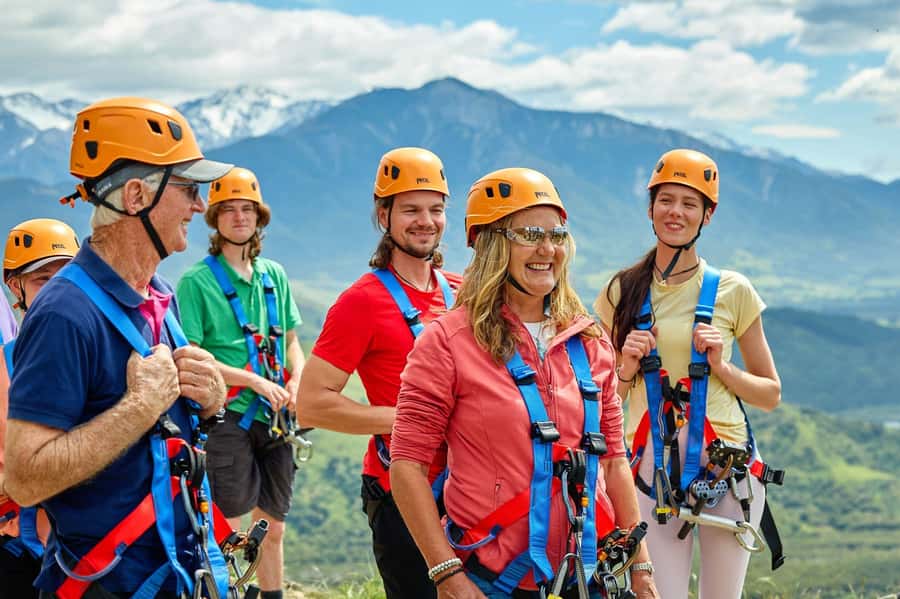
- Five dual ziplines ranging from 250m to 620m, so you get real speed and real time in the air
- Rakanui Station on 4×4, including rivers crossings and a drive through grazing-land views
- Native forest walking time on a trail before the main zipline run starts
- Conservation experience, with tree planting opportunities that are seasonal
- Small-group feel, with an operator that can run one-on-one for some participants
- Safety structure that works for nervous riders, with frequent check-ins and clear instruction
Meeting Up at EcoZip Adventures HQ and the Start of Your Afternoon
Your first move is easy: go to EcoZip Adventures HQ at 75 West End, Kaikoura. This is where you’ll meet the team, get kitted out, and hear the rules in plain language before you head out.
The tour runs 210 minutes total, which is long enough to feel like a real adventure block rather than a quick stop-and-go activity. You’re also not stuck doing this alone in a long line. People zipping do the course in sequence, and all participants travel independently (not tandem), so you’ll spend more focus on your own harness, your own ride timing, and your own footing on the short walk sections.
Also, come ready to follow instructions. There’s a risk disclosure for a reason, and the operation is built around robust safety management processes. The real-world outcome is simple: you’ll do better if you listen closely, do what you’re told, and don’t try to freestyle anything in the harness area.
The Drive Out: Kaikōura Airfield to Rakanui Station on a Working Farm
Included in your price is roundtrip transportation from 11 West End, Kaikoura. From there, your afternoon turns into a scenic drive that includes a guided drive to the Kaikōura airfield area before you head to the property for the big part of the day.
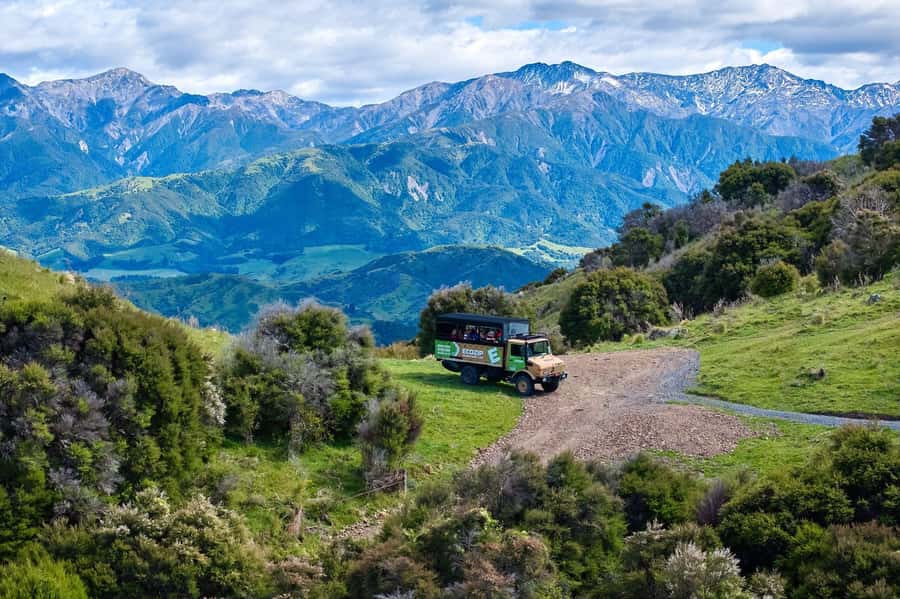
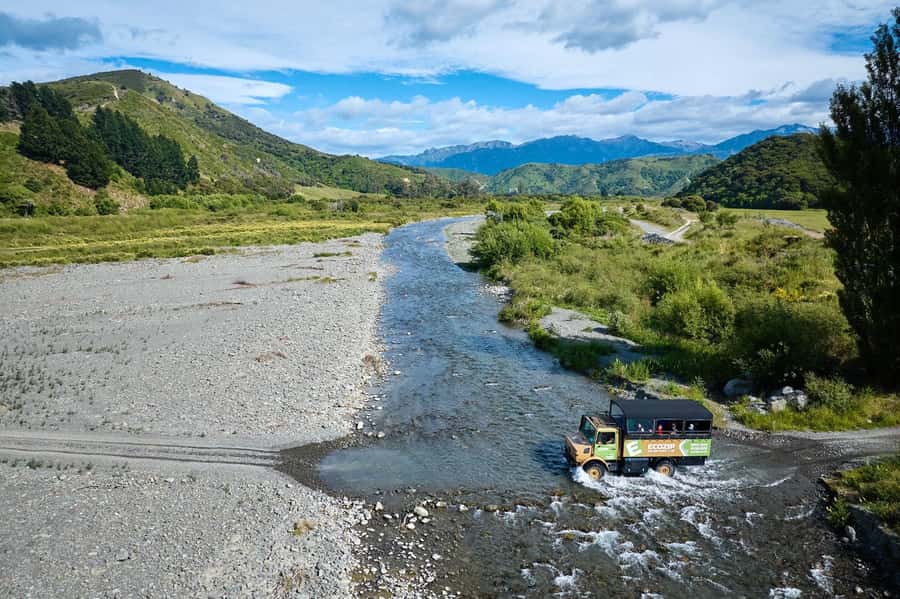
Then you get to the main setting: Rakanui Station, a 3000-acre working farm with rolling valleys and hills covered in native trees. The descriptions you’ll hear from the guides aren’t just marketing lines. This is farmland with trickling rivers and fords, cascading waterfalls, and grazing livestock in the working-land mix.
In practical terms, the 4×4 part matters because it changes how the course feels. You’re not just arriving at a platform in a car and jumping straight off a dock. You’re traveling through the terrain that the ziplines connect, which helps you understand why the views are what they are and why the platforms are set where they are.
And yes, you should expect river crossings during the drive. If you’re the type who hates wet shoes, know that this is part of the deal. The good news is you’re not doing long exposure; it’s an active, guided route that gets you to the zip stage.
Native Forest Trail Time: Getting Your Bearings Before You Fly
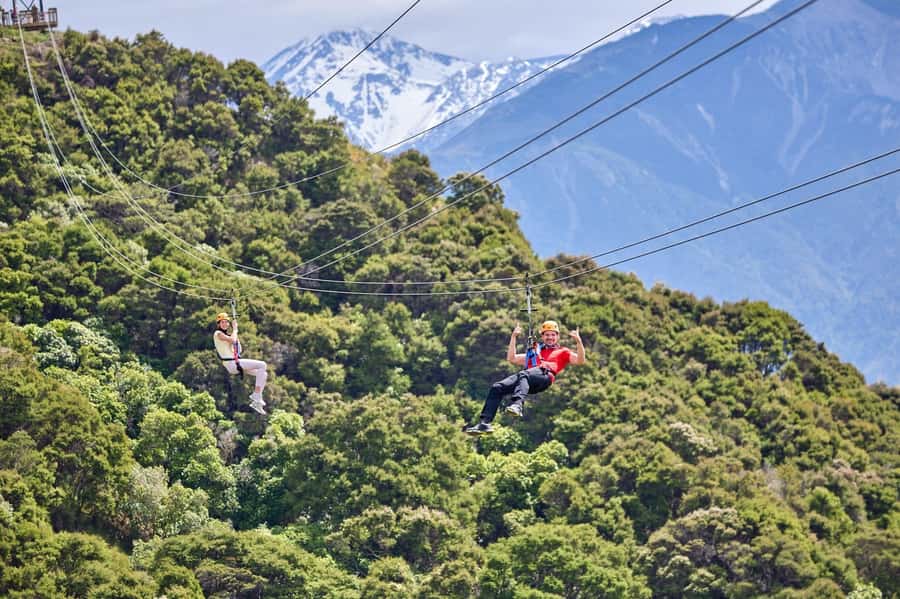
Before you jump onto the flying-fox lines, you’ll take a short natural trail through native New Zealand forest. This portion is easy to underestimate. It’s not a marathon hike, but it sets the tone: you move from “I’m nervous” to “I’m here, I get it, and now I’m ready.”
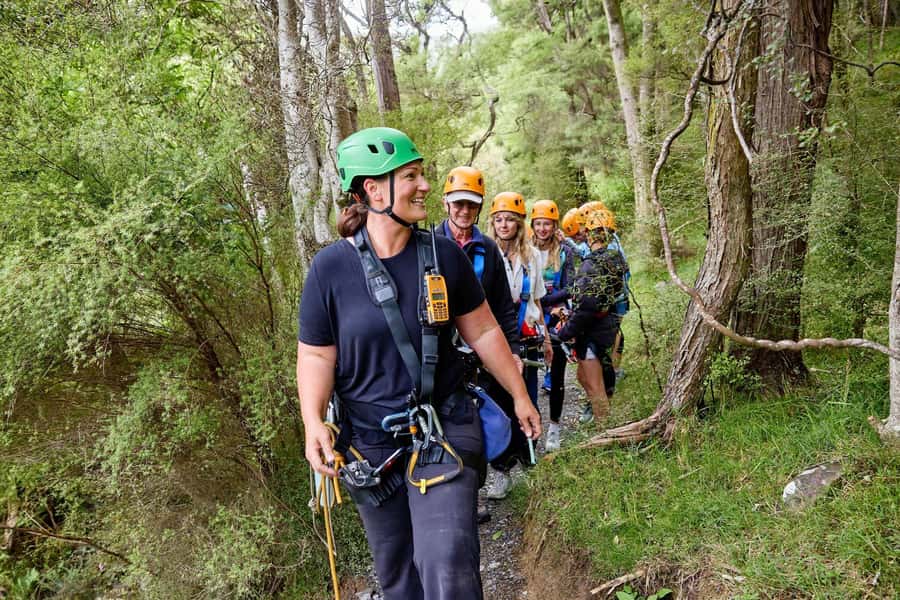
This walk also gives the guides space to talk about the local environment. You’ll hear about local flora and fauna and conservation efforts tied to the property. The lesson is practical: understanding what you’re moving through makes the zipline feel less like a thrill ride and more like a tour of how the land works.
I like this format because it helps with fear management. When people are anxious about heights, they often need a transition period. Walking the trail first gives your brain a job: watch the plants, listen to the stories, and get comfortable with the course rhythm before you strap in.
The guides are also attentive about pacing and regrouping. In the past, guides like Chloe and Charlie have handled younger adventurers smoothly, and Katie has been praised for calm reassurance when riders feel nervous. That matters because confidence here isn’t hype. It’s clear steps, repeatable safety checks, and not rushing anyone through the harnessing stage.
The Ziplines: Five Dual Flying-Fox Runs That Build Confidence
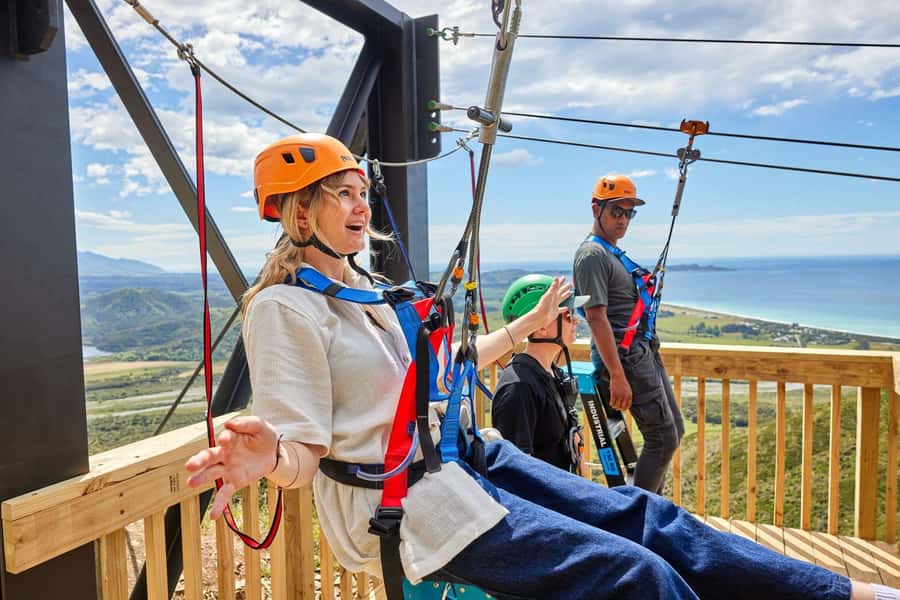
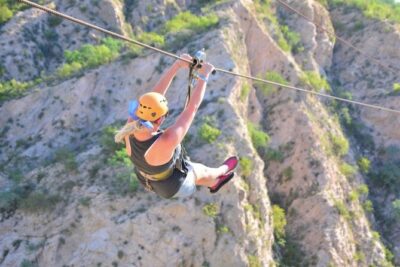
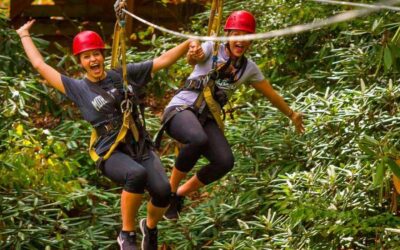
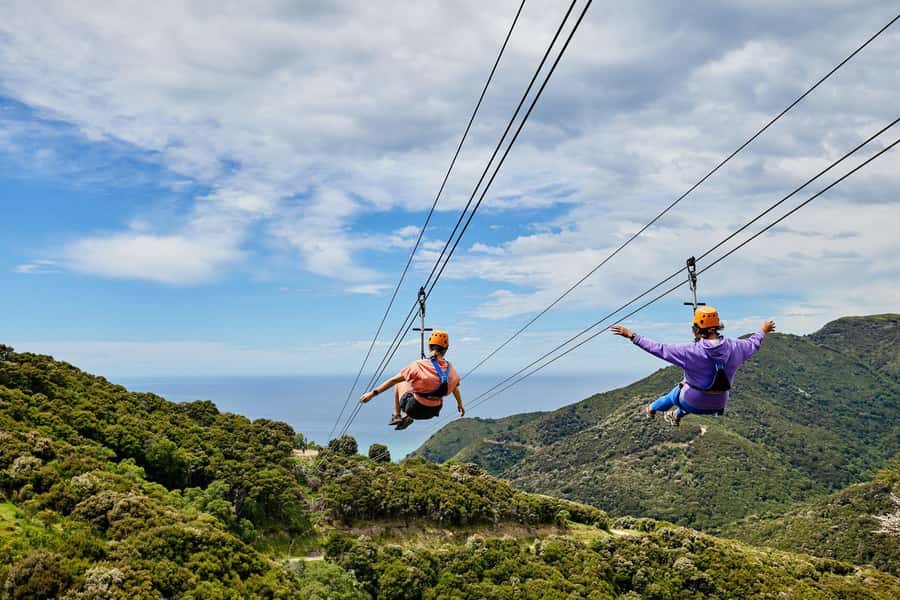
Here’s the payoff. You’ll ride 5 x giant, dual, flying-fox ziplines, with each line measuring 250m to 620m. Dual means you’re not alone in the main moment; it’s a shared ride through the air.
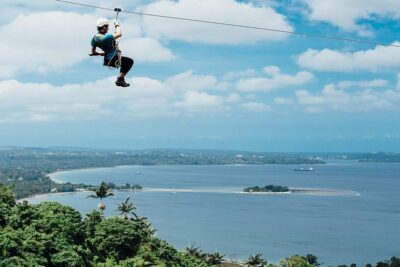
The course traverses forests and opens up to panoramic views of the ocean. Even if you’re not a “take photos” person, you’ll still notice the way the perspective changes every time you reach a platform. It’s one of those activities where your speed increases your awareness. You’re focused, then suddenly you’re looking out over a bay.
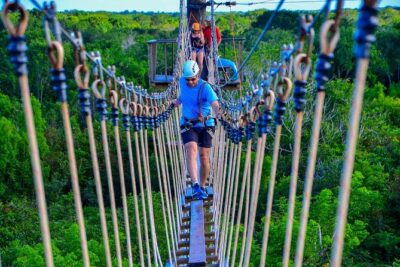
Between ziplines, there are walking sections that connect the platforms. Those short in-between stretches are part of what makes the tour feel full. You’re not sitting on a line for 45 minutes. You’re doing a rhythm: ride, land, brief walk, gear check, ride again. That pacing keeps it from feeling monotonous and helps you build confidence line by line.
If you’re worried about heights, consider how the structure works for you. The guides are set up to coach you through the steps, and the course design includes enough time on the ground for regrouping and encouragement. One-person “solo tour” sessions have happened too, which can make the experience feel less like a crowd and more like a guided outing with plenty of attention.
Conservation Experience and Seasonal Tree Planting Moment
This is the part that makes the day feel grounded in something beyond thrills. Your tour includes a conservation experience, and there may be tree planting opportunities (seasonal).
Even when tree planting isn’t available, you still get the conservation component through guide-led explanations about local efforts. The point isn’t to turn you into a scientist. It’s to give you a “why” that connects your actions to the environment you’re flying over and walking through.
I like tours that don’t treat nature as scenery only. Here, the native forest walk and the ziplines connect directly back to local conservation work, which makes the whole experience feel like you learned something you can actually carry home.
What Safety Really Looks Like on a Zipline Course Like This
Ziplining always has risk. The key is how the operator manages it and how you respond when it’s time to follow instructions.
The risk disclosure highlights potential hazards like slips and falls, sprains and bumps, and serious harm risks such as concussion from zipping too fast, worsening medical conditions (including pregnancy and heart conditions), and the serious risk from falling. EcoZip Adventures says they have robust safety management processes to manage these risks, but you’re still part of the safety system.
What I’d focus on before booking:
- Fitness level: you should be comfortable with short bushwalks and moving between platforms
- Footwear rules: closed-toe shoes only (no sandals, no flip-flops, no bare feet, no open-toed shoes)
- No intoxication: this one is straightforward, and it’s required
- Listen and follow guide instructions carefully during harnessing and at each platform
The tour also includes a clear weight range: at least 30kg (66lbs) and not more than 125kg (275lbs). There’s also a rule for age: if someone is 15 or under, at least one paying adult must zip with and supervise them. If anyone in the booking is under 18, an authorized adult must be present to sign the disclosure form.
One more practical note: ziplines work best when you’re steady on your feet. Avoid high-heeled shoes for obvious reasons, and don’t show up in anything that can slip.
What to Bring, What to Wear, and How to Avoid Day-ruiners
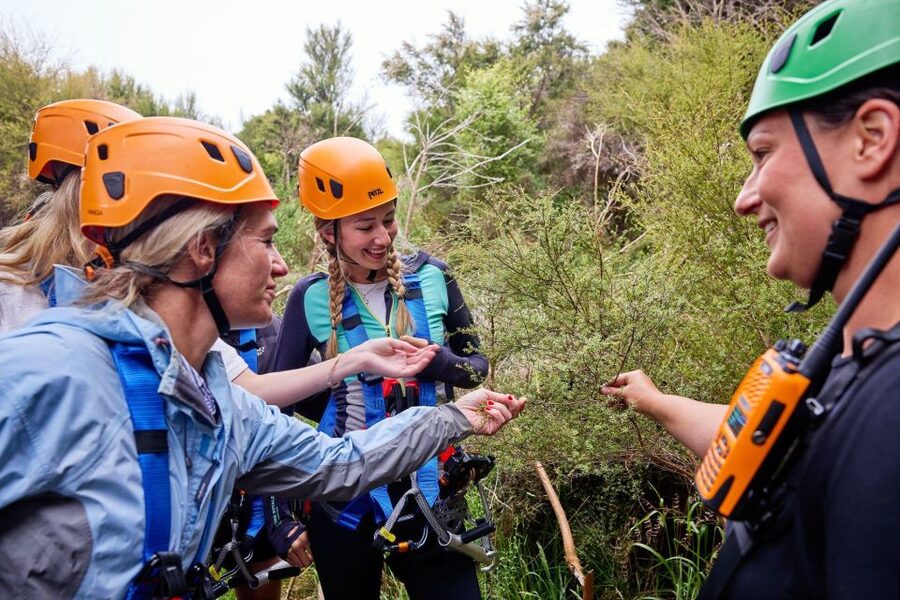
This is where you can make the day smoother fast.
Bring:
- Water
- Any personal medication
- Comfortable clothes for moving and for possible winter chill
Wear:
- Closed-toe, secure footwear
- Clothing you don’t mind getting a little outdoorsy
Seasonal guidance is also simple:
- In winter, bring warm clothing plus a waterproof jacket and suitable footwear for the bushwalk.
- In summer, wear sunscreen and bring a water bottle.
One thing that surprises people: phone bungy isn’t included. If you want phone video, you’ll need that specific attachment option handled separately. So either plan to leave your phone in your bag, or be ready to deal with video without gear that’s not provided.
Also note the tour rules: non-zipping spectators are not permitted. This is not a “sit and watch while others fly” outing. It’s built for zippers, and you should plan your day around that.
Price and Value: Is $118 Worth It for a 3.5-Hour Adventure?
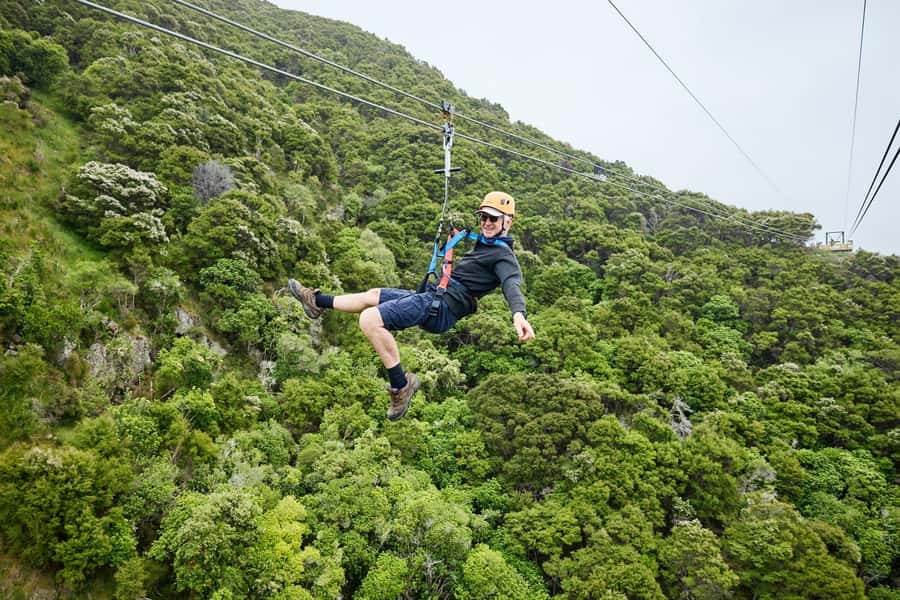
At $118 per person for a 210-minute outing, you’re paying for a full half-day experience with multiple components bundled together.
You’re not just paying for five zip rides. You’re also getting:
- Roundtrip transportation from 11 West End
- A guided drive that includes the Kaikoura airfield area
- A guided 4×4 through a real working farm, including river crossings
- A native forest walk
- Local guides with flora and fauna conservation interpretation
- Seasonal tree planting opportunities
- 5 dual ziplines, including longer runs up to 620m
What makes the value feel fair is the mix of time-on-feet, time in the air, and time learning about the local environment. Many adrenaline tours either cut the “context” or cut the “how the day is structured.” Here, the structure is part of the experience: you travel, walk, ride, then learn why the land matters.
If you want a pure thrill only, you might compare costs with shorter zip tours. But if you want a day that feels like you got far more than one photo-worthy moment, this is priced like a complete afternoon in Kaikōura.
Who Should Book This Kaikōura Zipline and Native Forest Tour
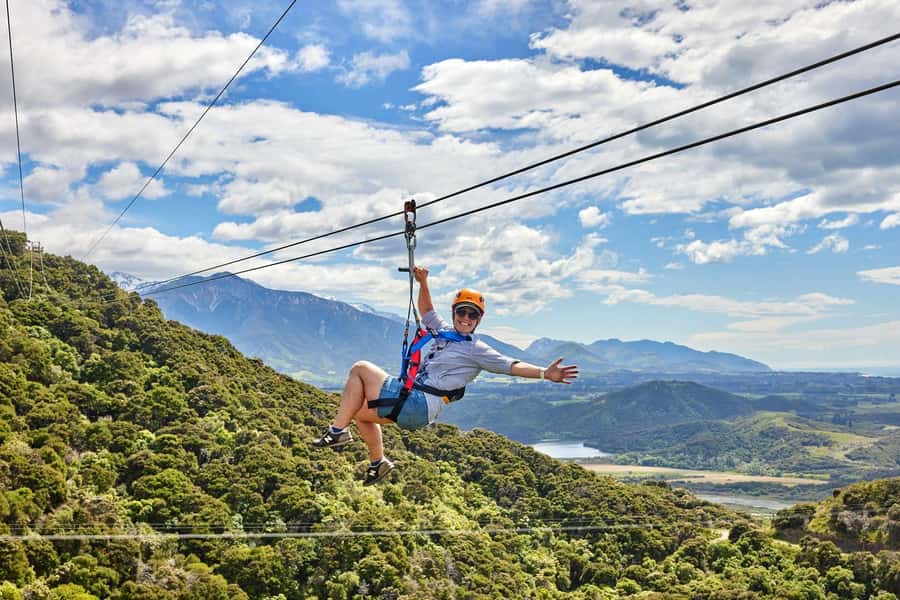
This tour is a strong fit if you want:
- Adventure with education rather than pure thrill
- Views that change every time you hit a platform, especially with ocean-bay panoramas
- A guided day that feels well run and supportive for nervous riders
- A combo of native forest walk + zipline time in the air + conservation content
It’s also family-friendly in the sense that it handles kids and younger adventurers well, as long as the age rules are followed. If you’re bringing children, plan on the requirement that a paying adult must zip with and supervise anyone aged 15 or under, plus the need for a guardian to sign forms for anyone under 18.
It’s not a fit if:
- You’re outside the 30kg to 125kg weight range
- You can’t wear or tolerate closed-toe secure shoes
- You’re not able to manage short trail walking sections between zip platforms
- You want a spectator-only activity (non-zipping spectators are not permitted)
Should You Book This Tour?
Book it if you want a Kaikōura half-day that hits three things at once: real zipline thrills, a working farm setting with 4×4 travel, and a native forest walk tied to conservation. The consistently strong theme in the guide approach is safety plus reassurance, and that matters if you’re nervous about heights.
Skip it or rethink if you’re uncomfortable with basic outdoor movement, you’re outside the weight range, or you’d rather watch than participate. And do take the risk disclosure seriously. Review the ziplining risk document before you book so you’re making the decision with your eyes open.
If you’re looking for one standout “do this once” adventure in Kaikōura that still feels grounded in place, this zipline-and-forest day is an easy choice.