REVIEW · EL CHORRO
El Chorro: Zipline, Bridge, and Hiking Adventure Tour
Book on GetYourGuide →Operated by LA GARGANTA ACTIVA · Bookable on GetYourGuide
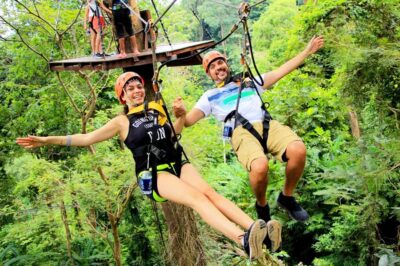
Heights make you grin here. In El Chorro, you hike iron steps, lock into a 35-meter zipline, and cross Tibetan and monkey bridges with a guide who keeps the day fun and controlled. I especially like how the route builds momentum: climb first, then fly, then test your balance on the bridges.
The other thing I like is the payoff. You get big exposure and sweeping views from about 250 meters up, plus a chance to grab photos with your group. One possible drawback: this isn’t a walk in the park, and there’s no food or drinks included, so you’ll want to plan your energy.
In This Review
- Key Things That Make This Tour Worth It
- Getting Started at Hotel La Garganta: where the Via Ferrata begins
- The 250-Meter Iron Steps: steel line, big views, real exposure
- Locking into the 35-Meter Zipline: when the day flips to flight
- Tibetan and Monkey-Step Bridges: balance training in real time
- Learning the Via Ferrata story: geology, fauna, and what you’re actually seeing
- The Alex factor: why the guide makes or breaks the experience
- What’s Included in Your $73, and what you must bring yourself
- Timing, weather, and how to plan your day in Andalusia
- Who This Is Best For (and who should skip it)
- Should You Book This Zipline, Bridge, and Hiking Tour?
- FAQ
- How long is the El Chorro zipline and Via Ferrata tour?
- Where does the tour start and end?
- Is equipment included?
- What do I need to bring?
- Are there age or mobility restrictions?
- Is food included, and can the tour be canceled for weather?
Key Things That Make This Tour Worth It
- 35-meter zipline over a deep gorge that turns the whole day into a real adrenaline break
- Via Ferrata climb to about 250 meters, with steel lines and a clear sense of progress
- Tibetan-style and monkey-step bridge crossings, where balance matters more than bravery
- A guide who’s both relaxed and detail-focused, which helps you handle exposure
- Geology-and-fauna facts that add context to the rock walls and sparse terrain
- Equipment provided, so you’re not guessing what to rent or how it fits
Getting Started at Hotel La Garganta: where the Via Ferrata begins
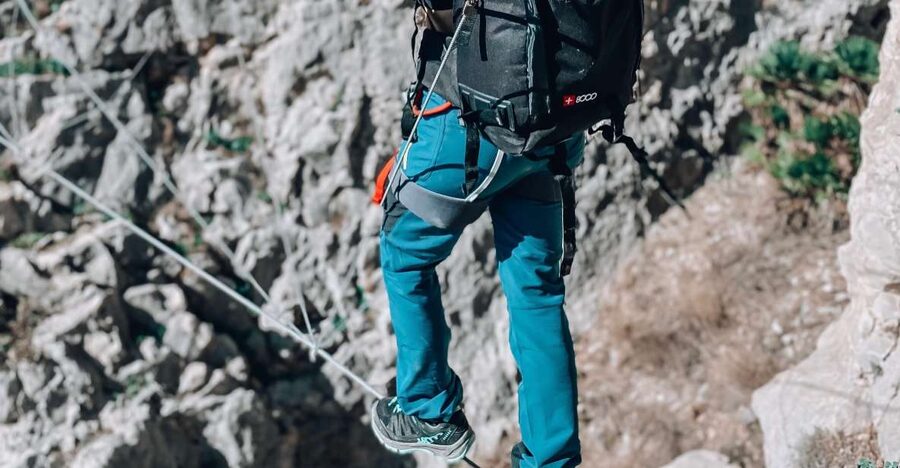
Your tour starts at the reception of Hotel La Garganta in El Chorro, and you’ll circle back there at the end. Expect a straightforward setup phase before you get moving: you’ll prep your gear, go over safety rules, and learn how the day’s pieces fit together.
That prep time matters. Via Ferrata is not just a hike with metal steps. It’s a system—your movement is tied to safety hardware, and the guide’s instructions are what keep you confident instead of cautious. You’ll also have a chance to get your footing and mindset in order before you go high.
If you’re traveling from elsewhere in Andalusia, plan for a “show up and gear up” morning. You don’t want to arrive rushed or missing basic items, because you’ll need a closed-toe stance and a steady pace once the climb begins.
The 250-Meter Iron Steps: steel line, big views, real exposure
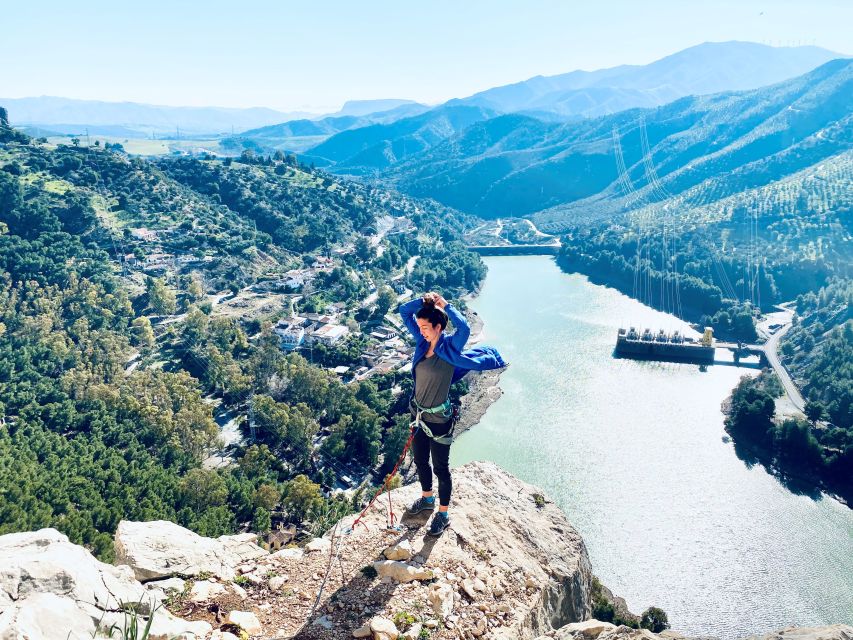
From the start area, the day turns into a climb on iron steps. The route is guarded with a steel walking line, which is a big psychological comfort when you’re dealing with heights. You’re scaling steep rock and moving along a defined path, so you’re not wandering—you’re progressing.
Along the way, the views start small and then grow fast. As you rise, the gorge and surrounding rock forms open up, and the sparse terrain starts to make sense: this is the kind of place where you notice how sharp the geology looks up close.
One smart point here: the tour isn’t only about standing in one spectacular spot. It’s about moving through changing vantage points. By the time you reach the top section, you’ve already earned that “wow” moment.
A highlight of this climb is the photo opportunity around 250 meters high. Bring your best “we survived” face. It’s also a good moment to slow down, take a breath, and check that you’re still good physically and mentally before the zipline portion.
Locking into the 35-Meter Zipline: when the day flips to flight
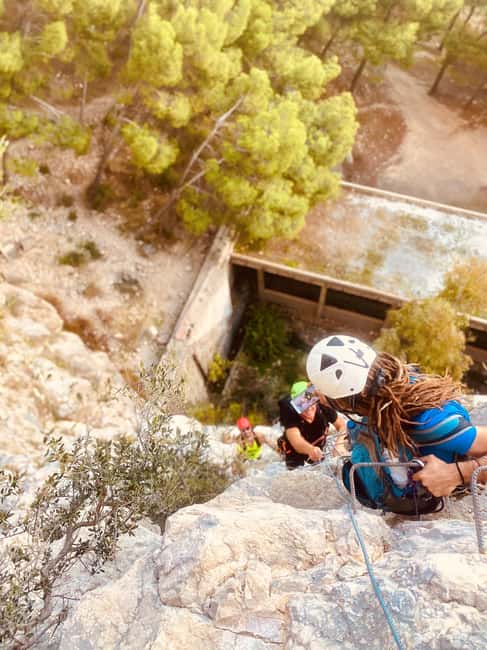
At the top of the stairs, you’ll hook into the 35-meter zipline and fly over a plummeting gorge. This is where the tour’s adrenaline story peaks: the climb gives you time to feel the altitude, and then the zipline steals the worry by turning it into speed.
What I like about the way this is sequenced is that it’s not random. You’re ready for the excitement because you’ve already been climbing and listening to the guide. If heights make you nervous, this structure helps. You’re not dropped into the hardest part on day one.
A practical tip: keep your hands positioned the way the guide shows you, and don’t overthink it while you’re in motion. You’re going fast, and your job is simple—stay steady, follow instructions, enjoy the ride, then refocus for the bridge section right after.
Tibetan and Monkey-Step Bridges: balance training in real time
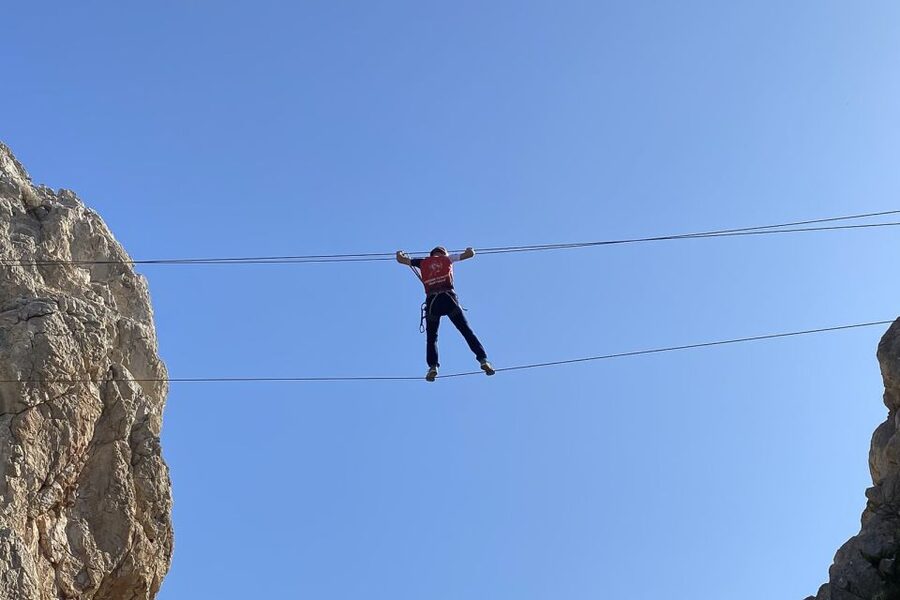
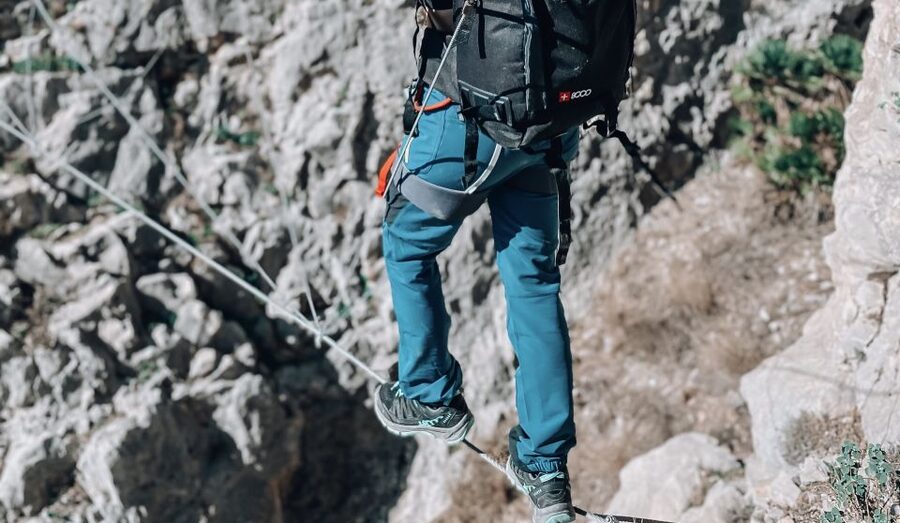
After the zipline, the route gets technical in a very human way: you cross bridges where your balance is tested, one step at a time.
You’ll tackle two types:
- a monkey-step bridge, which is narrow and designed for careful foot placement
- a Tibetan-style bridge, which adds another layer of exposure and movement
This is also the portion where the guide’s tone really matters. Good guidance turns these crossings from scary into focused. The goal isn’t to pretend you’re fearless—it’s to move methodically and trust the safety system.
I find bridges like these are the difference between a “thrill” and a “memory.” Sure, flying is fun. But bridges are the moment you feel your body working: eyes on your next step, calm breathing, and steady movement.
If you’re the type who gets jumpy when you’re high up, do yourself a favor: slow down mentally. Go at the pace the guide expects, and let the safety gear and steel lines do their job.
Learning the Via Ferrata story: geology, fauna, and what you’re actually seeing
Between the physical parts, you’ll get facts about the region and what you’re passing through. The tour highlights unique geological formations and fauna tied to the Via Ferrata area, which is great because it turns the day from just action into understanding.
Even if you don’t consider yourself a science person, this context helps you see the rock walls differently. You start noticing how the cliffs look and why the terrain feels so rugged and exposed.
This kind of quick, on-the-ground explanation is also good for pacing. After adrenaline steps, a few minutes of context can bring you back to the present—without slowing you down too much.
The Alex factor: why the guide makes or breaks the experience
The most consistently praised part of this tour is the guiding. One of the standout names from the experience is Alex—praised for making people feel relaxed at height while staying serious about safety and instruction details.
That blend is what you want. You don’t want a guide who treats the equipment like a prop. And you also don’t want a guide who turns a thrill day into a tense ordeal. When the instructions are clear and the guide’s humor works, you can focus on moving well instead of spiraling in fear.
I also like how the guide approach supports different comfort levels. Even if you’re excited, you still need careful setup. If you’re nervous, you need reassurance plus exact steps for what to do next. This tour’s guide style aims for both.
If you want a day that feels well run, this is a strong choice.
What’s Included in Your $73, and what you must bring yourself
At $73 per person, you’re paying for a 4-hour guided Via Ferrata experience plus the essential setup. Included items are guide, equipment, and the Via Ferrata tour. That’s good value because you’re not just hiring someone to point at a view—you’re getting trained supervision and the hardware needed to do the climbing and bridges.
What’s not included is simple: food and drinks. The good news is you’re only out for about four hours, so you can plan a smart snack-and-water rhythm without dragging a full picnic. Still, bring snacks, especially if you run low on energy when you’re active and nervous at the same time.
Here’s what you should bring:
- Passport or ID card
- Snacks
- Water
- Hiking shoes
- Closed-toe shoes
Don’t show up in sandals or flip-flops. This tour is hard on your feet and your grip. Closed-toe footwear helps you stay stable on the iron steps and bridge crossings.
One more practical note: the tour isn’t suitable for everyone. It’s listed as not suitable for children under 16, people with mobility impairments, or wheelchair users. If you fall into any of those categories, you’ll want to pick a different El Chorro activity that matches your comfort level and movement ability.
Timing, weather, and how to plan your day in Andalusia
The activity runs about 4 hours, but starting times can vary, so check availability before you lock in the rest of your itinerary. Because you’re doing real vertical work and then bridging and ziplining, you’ll want this tour as a main event, not a quick side stop.
Weather matters. The tour may be canceled due to inclement weather, which is normal for safety in outdoor activities with heights and metal pathways. If you can, schedule this earlier rather than as your last-day plan in the region.
Also, keep your post-tour plan flexible. You’ll likely finish with sore legs and a mind that’s still buzzing from exposure and speed. Build in time to relax, eat, and let your body recover.
Who This Is Best For (and who should skip it)
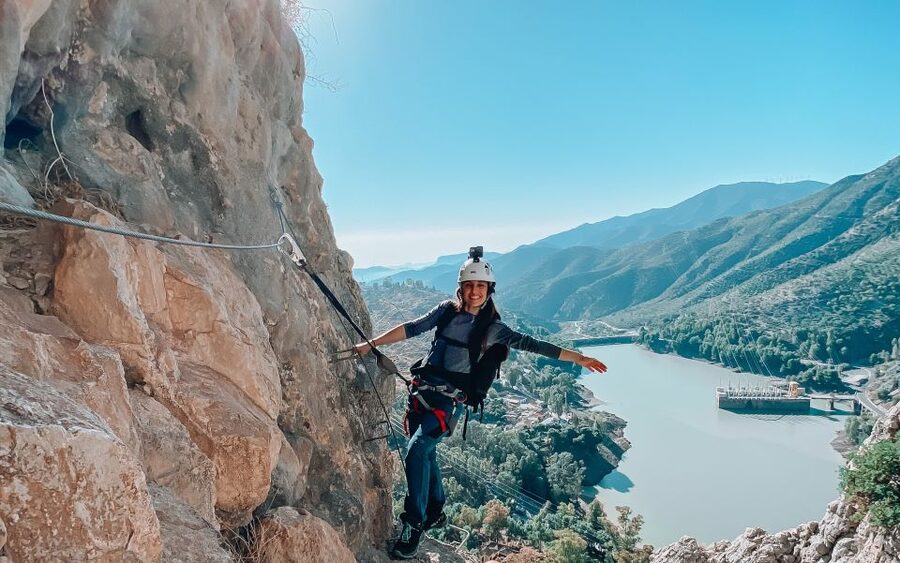
This tour is best for people who want a clear mix of effort and reward: climbing, zipline flying, then balance challenges on bridges. If you like your adrenaline with structure and safety guidance, you’re in the right place.
You’ll especially enjoy it if:
- you enjoy heights and want to try Via Ferrata with a real guide
- you want both speed (zipline) and balance (bridges)
- you like tours that include context about what you’re seeing, not just motion
You should skip or reconsider if you:
- don’t handle heights well and can’t stay calm during instructions
- want an easy stroll with no technical sections
- need wheelchair access or have mobility limitations
- are traveling with kids under 16
Should You Book This Zipline, Bridge, and Hiking Tour?
Book it if you want a high-impact El Chorro experience that’s more than a single thrill. The combination of climbing up iron steps, flying on a 35-meter zipline, and crossing Tibetan and monkey-step bridges is exactly the kind of “whole-body day” that creates strong memories. Add in the strong reputation for guides like Alex, and you get the rare combo of humor, calm confidence, and serious attention to safety details.
Skip it if you’re looking for an all-day casual sightseeing format, or if heights and technical footwork won’t work for you. And don’t forget that food and drinks aren’t included, so bring snacks and water and treat this like an active outing.
If you match the basic requirements, this tour is a solid value: for about four hours, you get equipment, instruction, and a full set of adrenaline moves in one organized run.
FAQ
How long is the El Chorro zipline and Via Ferrata tour?
The tour lasts about 4 hours. Starting times can vary, so you’ll want to check availability for the time that fits your schedule.
Where does the tour start and end?
You meet at the reception of Hotel La Garganta in El Chorro. The activity ends back at the same meeting point.
Is equipment included?
Yes. The tour includes the guide and equipment as part of the Via Ferrata tour.
What do I need to bring?
Bring your passport or ID card, snacks, water, and closed-toe hiking shoes (or similar footwear). The tour requires shoes with full coverage.
Are there age or mobility restrictions?
Yes. It’s not suitable for children under 16, people with mobility impairments, or wheelchair users.
Is food included, and can the tour be canceled for weather?
Food and drinks are not included, so bring snacks and water. The tour may be canceled due to inclement weather.