REVIEW · PERU
Cusco: Zipline in the Sacred Valley
Book on GetYourGuide →Operated by Amaru explorer SAC · Bookable on GetYourGuide
Four cables, one huge grin. I love the Sacred Valley panorama and the way the crew builds your confidence from cable one to the faster run. One thing to consider: it’s a physical, adrenaline activity, and it’s not for pregnant people or anyone with medical conditions.
From Mirador de Racchi, you’re geared up with harness, helmet, and gloves, then you slide across the canyon on four lines. The instructor works in English and Spanish, and the whole outing takes about 3 hours, including pickup time.
In This Review
- Key Points That Make This Cusco Zipline Worth It
- Ziplining from Mirador de Racchi: The Sacred Valley View Setup
- Hotel Pickup and Getting Fitted: What the 3 Hours Really Includes
- Four Cables, Four Moods: What Each Ride Feels Like
- Cable 1: The Confidence Builder
- Cable 2: Fastest Flying Sensation
- Cable 3: Superman/Superwoman Moves
- Cable 4: Best Canyon and Mountain Views
- Safety and Guides: How They Keep Nerves Under Control
- Panoramic Valley Views and Photo Reality: What to Expect While Flying
- Price and Value for a $45 Cusco Zipline
- Who Should Do This Zipline (and Who Should Skip It)
- Should You Book This Cusco Zipline in the Sacred Valley?
- FAQ
- Where does the zipline activity start and end?
- How long is the Cusco zipline?
- What does the $45 price include?
- How many cables will I ride?
- What are the four cables like?
- Is there an upside-down or monkey-style option?
- What should I bring?
- Is this activity suitable for pregnant women, wheelchair users, or people with medical conditions?
- What languages are available and is cancellation flexible?
Key Points That Make This Cusco Zipline Worth It
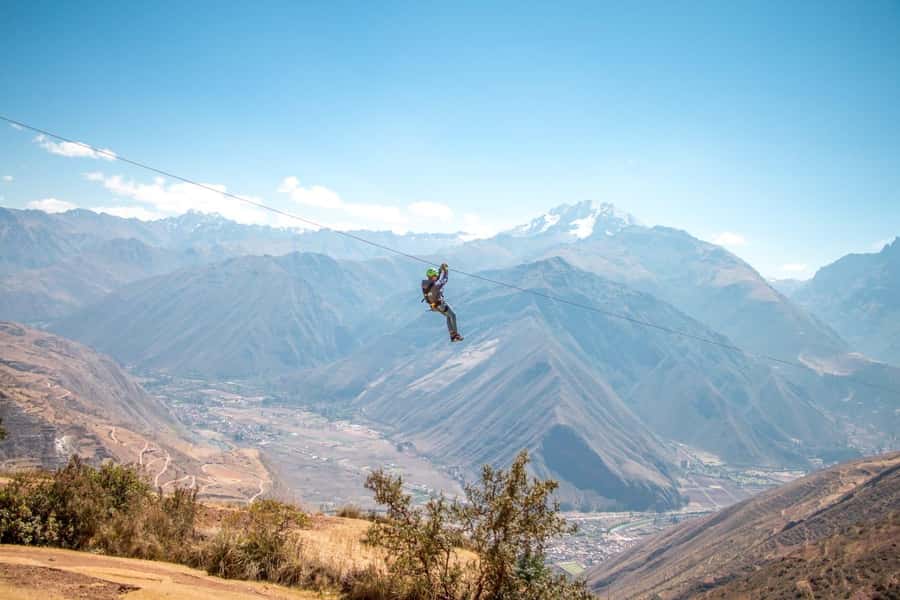
- Four cables with different “personalities”, starting gentle, ending with the best canyon-and-mountains views
- Super structured safety setup with harnesses, helmets, and gloves plus step-by-step instructions
- Big adrenaline moments: the second cable is the fastest and the third encourages Superman/Superwoman moves
- Photo-ready views over the Sacred Valley, especially on the last cable
- Optional fearless-style tricks like upside-down or monkey style, if you’re feeling brave
Ziplining from Mirador de Racchi: The Sacred Valley View Setup
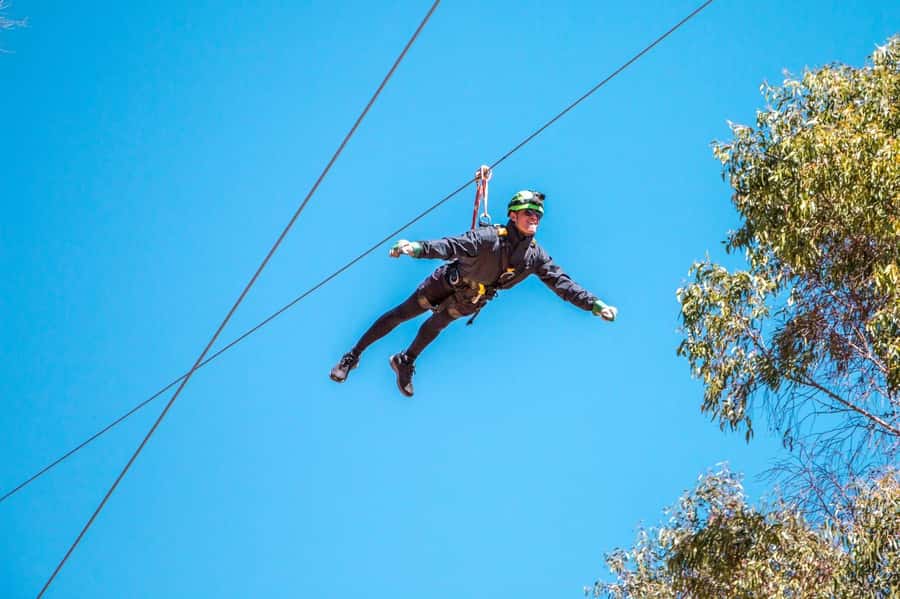
Cusco is great, but sometimes you want your altitude fix to come with motion. This zipline heads out to the Mirador de Racchi base in the Cusco Region. From there, you don’t just get one quick ride. You get a run of four cables, with different lengths and different feels.
The core magic here is simple: each line puts you a little more into the open air. And when you’re hanging in a harness above the canyon, your brain stops thinking about the stairs back in Cusco. It’s all about air, speed, and the view.
For me, the standout is how the experience matches your courage level. The first cable is designed to help you get comfortable. Then things ramp up quickly—so you don’t feel thrown into the deep end before you know what your body is supposed to do.
Hotel Pickup and Getting Fitted: What the 3 Hours Really Includes
You start with pickup from your hotel area—near or within Cusco’s historic center. Then you ride about 40 minutes to the base at Mirador de Racchi.
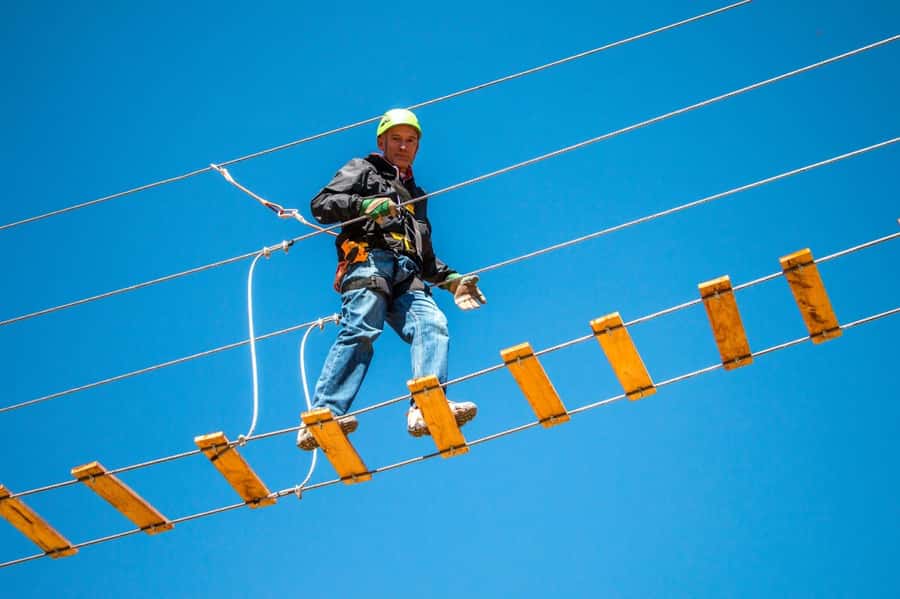
Once you arrive, the rhythm is straightforward. You’ll get your harness, helmet, and gloves, and you’ll receive safety instructions before anyone sends you down the first cable. That order matters. It means you’re not trying to figure out equipment while your heart is already racing.
Since the total duration is listed as 3 hours, plan on the full block being “do the activity + be transported there and back.” In practical terms, that makes it a nice half-day add-on when you want adrenaline without taking over your whole Cusco schedule.
A small practical tip: bring cash if you want spending flexibility for anything you might decide you need on-site. Food isn’t included, so you may also want to plan what you’ll do around meals.
Four Cables, Four Moods: What Each Ride Feels Like
This is the heart of the tour: four different zipline cables, each with its own role. You’ll move through them in sequence, and the crew paces the difficulty so you build confidence as you go.
Cable 1: The Confidence Builder
The first cable is described as soft—basically the warm-up. I like this approach because it lets you learn the basic sensation without immediately going full speed. Your body gets the feel of harness support, the rhythm of braking, and how it feels to look across the canyon while you’re moving.
If you’re even a little nervous, this first line is where you can breathe and get your bearings fast.
Cable 2: Fastest Flying Sensation
The second cable is the fastest and gives the maximum sensation of flying. This is the one that tends to make adrenaline spike. If you want the most intense “whoa” moment, this is it.
What I think makes this section work is that cable one prepares you. You’ll already know what posture you’re holding, and you won’t spend the second cable still figuring out how it all works.
Cable 3: Superman/Superwoman Moves
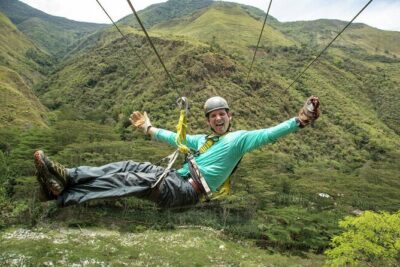
The third cable is ideal for extreme movements, specifically Superman or Superwoman positioning. This is where the tour leans into fun expression rather than just speed.
If you like doing goofy, fearless-looking poses, this is your moment. And if you don’t want to go all-in, you can still participate while staying within what the safety setup allows.
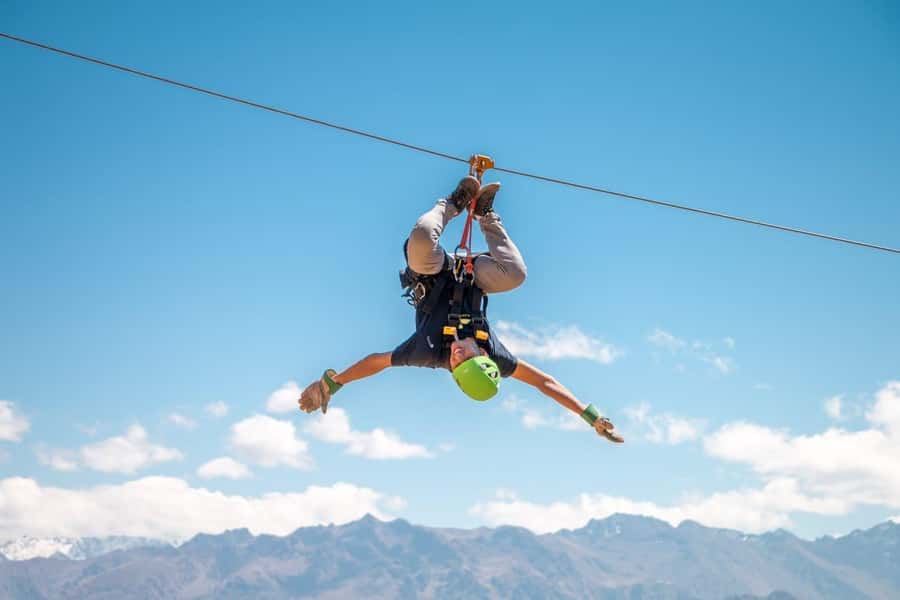
Also, one of the most praised parts of this activity is that there can be an upside-down or monkey-style option for those who want extra spice. That’s not for everyone—but if you’re the type who came to Cusco to say yes to things, it’s worth asking the crew what’s possible for your ride.
Cable 4: Best Canyon and Mountain Views
The final cable is the one with the best views: the canyon, the Sacred Valley, and the surrounding mountains. This is the line that shifts the vibe from pure adrenaline to “wow, look at that.”
And you’ll likely feel it more because you’ve already done three cables. You’re not just surviving the experience anymore—you’re enjoying it. It’s also the section where I’d focus on photos and video, if you’re able to keep hold of your phone or camera safely while riding.
Safety and Guides: How They Keep Nerves Under Control
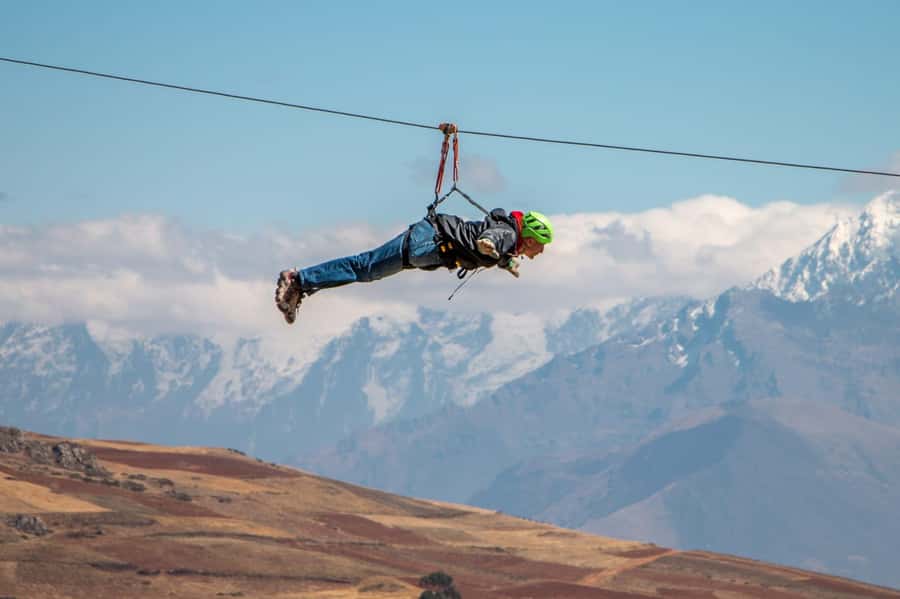
Safety here isn’t treated like a formality. You’re outfitted with harnesses, helmets, and gloves, then you get safety instructions before you start.
I also like the human side of it: the guides are praised for being informative, helpful, and experienced. That matters because ziplining isn’t only about the equipment—it’s about what you do with your body and your attention in mid-flight.
The best cue is usually simple: listen closely at the start, and ask questions before you clip in. If you’re scared of heights, say that. The earlier cables are built for confidence, but you’ll get the most out of them when you communicate what you need.
Panoramic Valley Views and Photo Reality: What to Expect While Flying
The Sacred Valley views are a big deal, and the activity is designed to show them off across different angles. You’ll see snowy peaks and the valley, especially as the cables progress toward the final run.
For photography, keep expectations realistic. You’re moving, you’re wearing gear, and you’re balancing speed with safe handling. That’s why the included “camera” note is important—bring one, because the views are genuinely the kind you’ll want to remember.
If you’re trying to capture video, do it with the mindset of “short clips, clear moments,” not “one perfect continuous shot.” The later cable—where you get the best canyon and mountain views—is usually the one where your photos look the most dramatic.
Price and Value for a $45 Cusco Zipline
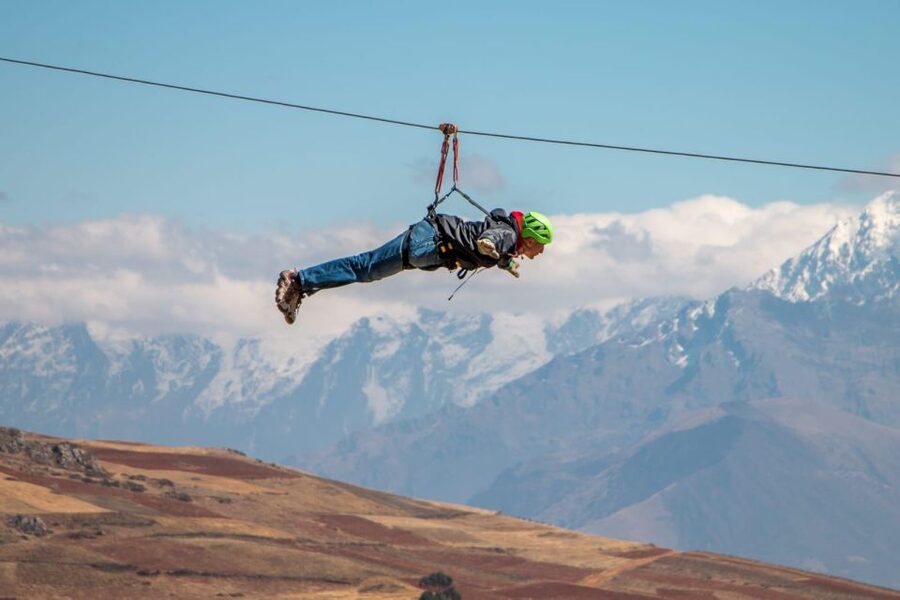
At $45 per person, this is priced as a mid-range adventure, but the value is tied to what you actually get.
You’re not just paying for the zipline itself. The price includes:
- Outward and return transport
- Safety equipment (harness, helmet, gloves)
- Zipline activity
Not included:
- Food
- Extra expenses
That “included transport + gear” piece is what helps justify the cost. In Cusco, getting to the right launching point and being properly equipped can be a hassle. Here, they handle the logistics and the safety kit for you.
The other value factor is time. At about 3 hours, you get a full adventure block without committing a whole day. That’s a big deal when you’re also dealing with altitude, acclimation days, or a packed Cusco itinerary.
Who Should Do This Zipline (and Who Should Skip It)
This zipline is ideal if you want adrenaline plus scenery. It’s also built in a way that gives you a ramp-up experience: a first cable that helps you get comfortable, followed by faster and more expressive options.
You’ll likely enjoy it most if:
- You like active adventures with a clear progression (not a one-and-done ride)
- You want panoramic views over the Sacred Valley
- You’re comfortable following instructions and wearing the gear
It’s not suitable for:
- Pregnant women
- Wheelchair users
- People with pre-existing medical conditions
If you’re on the edge medically, it’s worth taking the “not suitable” guidance seriously. Ziplining is physical and fast. Your safety comes first.
Should You Book This Cusco Zipline in the Sacred Valley?
If you want an action day that still feels like you’re seeing the real Peru scenery from above, I’d book it. The combination of four cables, the confidence-building first run, and the best-view final cable makes it more than just a thrill. It turns into a sequence you can enjoy, not only endure.
Book it especially if you like the idea of Superman/Superwoman positioning or you want the chance at upside-down/monkey-style thrills. And if you’re nervous, that first soft cable is there to get you comfortable before speed takes over.
Skip it if you’re in any of the “not suitable” categories, or if you know you’ll be unable to follow safety instructions and stay within the activity’s physical demands.
If you like flexibility, check availability for the start times, since the duration is listed as 3 hours. And if plans change, free cancellation up to 24 hours in advance is offered.
FAQ
Where does the zipline activity start and end?
You’ll be picked up from your hotel (near or within the historic center) and travel about 40 minutes to the base at Mirador de Racchi. Transport back is included, so you return to your pickup area after the activity.
How long is the Cusco zipline?
The activity is listed as 3 hours total. Check availability to see starting times.
What does the $45 price include?
The price includes outward and return transport, safety equipment (harnesses, helmets, and gloves), and the zipline itself. Food and extra expenses are not included.
How many cables will I ride?
You’ll pass through four zipline cables.
What are the four cables like?
The first cable is softer to help participants gain confidence. The second is the fastest for the strongest flying sensation. The third is for extreme movements like Superman or Superwoman. The fourth offers the best views of the canyon, the Sacred Valley, and the mountains.
Is there an upside-down or monkey-style option?
One of the highlighted experiences includes an upside-down option or a monkey-style ride for riders who want a more daring version of the activity.
What should I bring?
Bring a camera and cash.
Is this activity suitable for pregnant women, wheelchair users, or people with medical conditions?
No. It’s not suitable for pregnant women, wheelchair users, or people with pre-existing medical conditions.
What languages are available and is cancellation flexible?
The instructor speaks English and Spanish. Free cancellation is available up to 24 hours in advance for a full refund.