REVIEW · SAN JOSE
Canyoneering and Canopy Tour in Turrialba
Book on Viator →Operated by Explornatura · Bookable on Viator
Four waterfalls and a hanging bridge in one run. This canyoning and canopy tour in Turrialba strings together rappelling, zip lining, and a real suspension-bridge crossing near San José, with guides who focus on safety gear and clear instruction. I especially like the mix of big-ticket moments—four waterfall rappels, five zip lines, and a 132-foot bridge—without turning the trip into an all-day grind.
One consideration: the zip line landings can feel a bit hard if you arrive too fast, and the bridge may feel a little iffy for anyone who doesn’t like shaky footing.
In This Review
- Key Highlights You’ll Care About
- Canyoning Meets the Canopy Near Turrialba
- Getting There: Starting at Explornatura and Calle Chirraca
- Safety First: What the Guides Actually Do Before You Go
- Four Waterfalls: How the Rappels Shape the Day
- Five Zip Lines: Speed, Control, and What to Expect at Landing
- The 132-Foot Hanging Bridge Walk That Changes the Mood
- Lunch, Showers, and Costa Rica Stories After the Adventure
- Price and Value: Is $105 Fair for This Much Action?
- Who This Tour Fits: Families, Adventurers, and First-Timers
- Book It or Pass: My Practical Recommendation
- FAQ
- Where do I meet for the tour?
- How long is the canyoning and canopy tour?
- What activities are included?
- Is lunch included?
- What fitness level do I need?
- Is there a group size limit?
- Can I cancel for free?
Key Highlights You’ll Care About
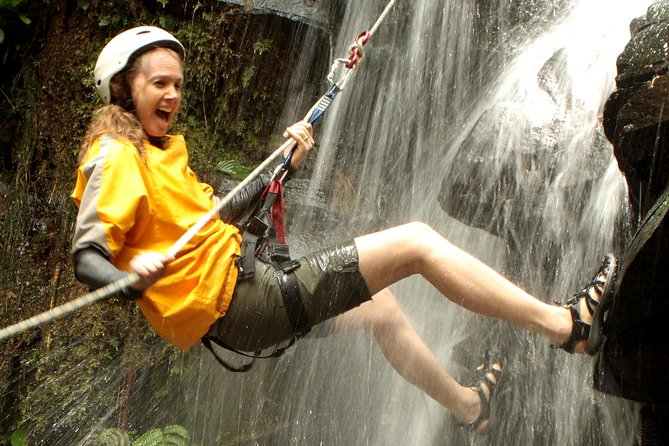
- Four waterfall rappels, five zip lines, and a 132-foot hanging bridge in one outing
- Safety equipment and lunch included, so you just show up ready
- Small group size (up to 30 people) keeps the pace manageable
- Experienced, attentive guides like Chris, Eric, Rob, Samhir, and Samhir (seen across recent groups)
- About 3 hours on the adventure, then you’re free for the rest of your day in Turrialba
Canyoning Meets the Canopy Near Turrialba
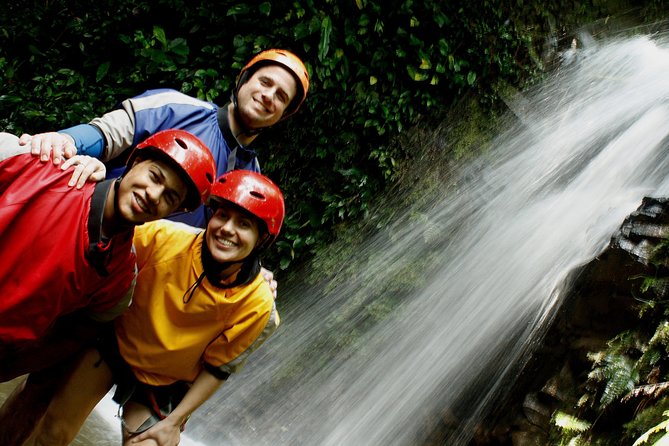
Turrialba is a smart base for adventure days because it’s close enough to San José to feel practical, but far enough to swap city time for green, wet, outdoors time. This tour blends canyoneering (rappelling down waterfalls) with canopy zip lining, then tops it off with a long hanging bridge walk overhead.
What makes this combo work is the pacing. You’re not just repeating the same action over and over. You alternate between controlled descents, flying through the canopy, and a steady crossing where you can look around and reset your breathing.
The result is the kind of itinerary you’d expect from a serious adventure operation, not a gimmick. It’s built around actual skills—how to rappel safely, how to move your body during zip line moments, and how to keep your balance on suspension-style footing.
Getting There: Starting at Explornatura and Calle Chirraca
Your meeting point is at the Explornatura office, Campo Base Explornatura, La Cecilia, in the Turrialba area. From there, the tour route leads you to the canyoning site in Calle Chirraca, a small, lush area near town.
This is also one of those tours that’s easier to plan than it sounds. The departure point is described as easy to locate, and it’s listed as being near public transportation. In plain terms: you’re not stuck trying to decode a remote mountain trail just to start.
Time-wise, you should plan for the tour to run about 3 hours total. That short window matters because it keeps the “adventure day” feeling focused. You get your adrenaline, then you’re done with the hard logistics and can spend the rest of your time however you want.
Safety First: What the Guides Actually Do Before You Go
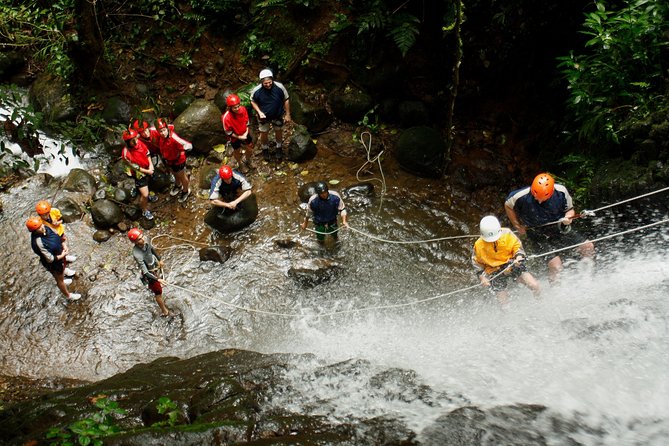
The tour begins with an intro to the guides and a hands-on equipment familiarization. That matters more than most people realize. If you’ve never rappelled before, the difference between feeling nervous and feeling ready is often just one clear explanation and a few practiced movements.
Guides on this run have a strong reputation for being attentive and patient, including for families and mixed-age groups. In past groups, guides such as Chris, Rob, Samhir, and Eric were highlighted for staying organized and making sure people understood what to do next.
Another detail I like: the tour doesn’t feel like it’s rushing through safety talk. It’s structured, so you’re not left guessing while you’re clipped into harnesses and watching others move first. You’ll still want to listen closely and follow instructions, but you won’t be left to figure things out on the fly.
Four Waterfalls: How the Rappels Shape the Day
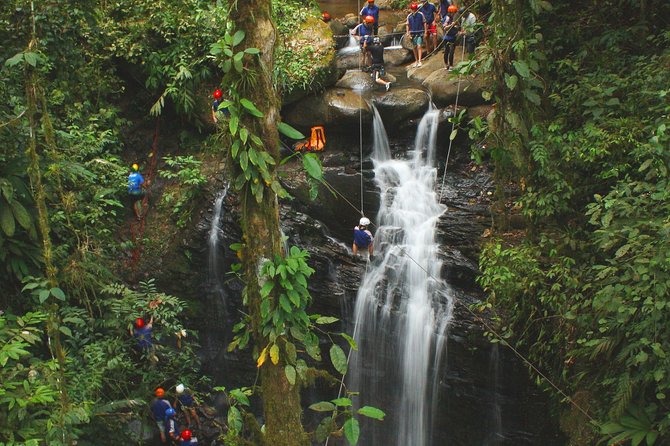
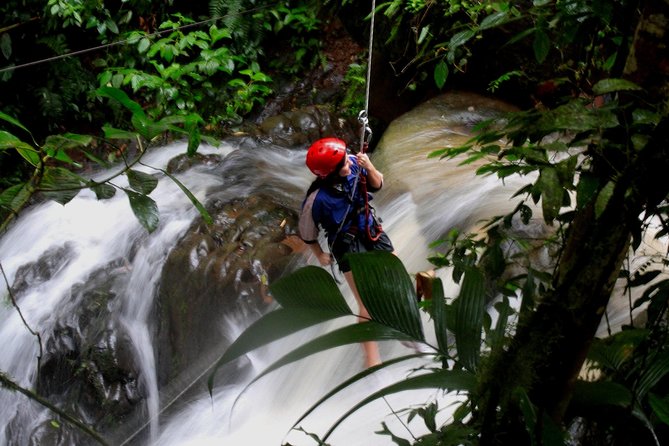
The canyon part of the tour is built around four waterfall rappels. This is the heart of the experience, and it’s where the “canyoneering” label earns its keep.
Rappelling is technical in a simple way: it asks you to stay calm, keep your body positioned, and trust the system. You don’t need to be a professional climber, but you do need moderate physical fitness—the kind of fitness that helps you handle wet footing and moving through the route without falling behind.
There’s also a practical rhythm to these waterfall descents. After the first rappel, you usually get comfortable with the tempo: gear check, controlled descent, then repositioning for the next section. By the fourth rappel, people often feel the day click into place.
One caution from the experience: zip line landings can feel a bit jolting if you come in too hot, and that same overall sensation of impact can make people more sensitive during the later stages of the tour. If you’re easily bothered by hard landings, it’s worth mentally preparing for that possibility.
Five Zip Lines: Speed, Control, and What to Expect at Landing
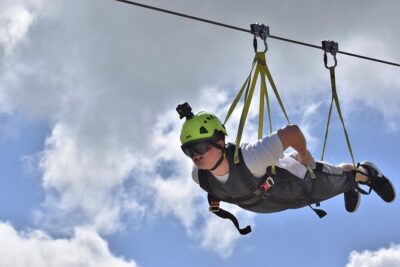
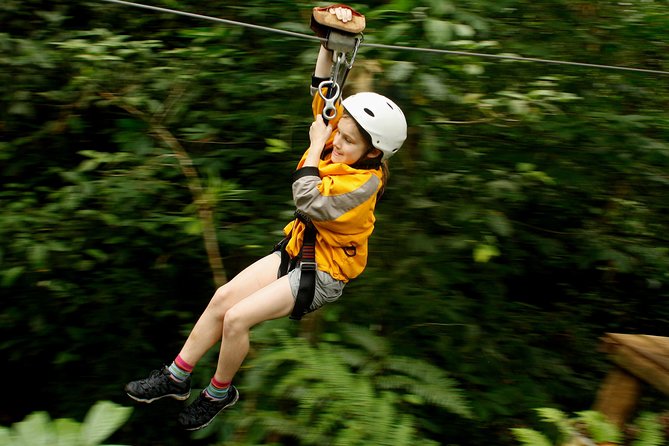
After rappelling, you shift into zip lining. This tour includes five canopy cables, so you get repeated chances to feel the glide without it turning into one long, boring straight shot.
Zip lining is fun because it changes your perspective. Instead of looking down at the rocks and water, you’re moving with height and air time, and you get a clearer look at the surrounding vegetation and route.
But the landing part is where your expectations should be realistic. One review described the landings at the end of the zip lines as more forceful if you arrive too fast, and they compared it to other zip line styles where landings feel softer. That doesn’t mean the tour is unsafe; it does mean you should focus on technique and instructions so you don’t over-speed your finish.
If you like zip lining, you’re going to enjoy the repetition. If you hate even small impacts, keep your attention on how the guides coach you through the end of each line.
The 132-Foot Hanging Bridge Walk That Changes the Mood
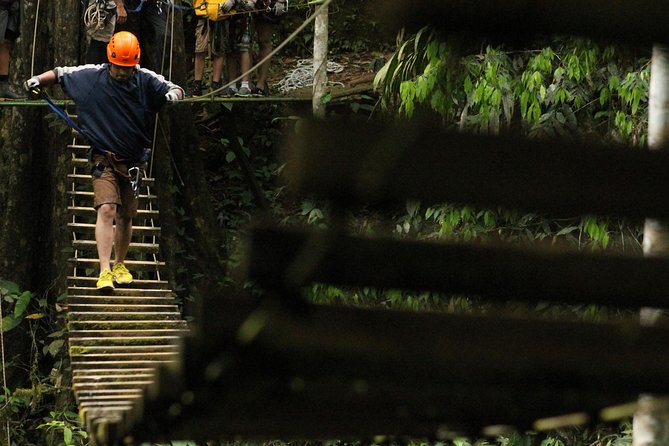
The tour finishes with a walk across a 132-foot hanging bridge. This is not the moment for rushing. The bridge crossing shifts your brain from adrenaline mode to balance mode.
One of the most memorable details from recent experiences is how guides help you handle that moment confidently. For example, Chris was noted for taking pictures during the bridge crossing, which turns a stressful or intense moment into something you can look back on later.
If you’re the kind of person who notices every wobble in a suspension bridge, you might find it a little “iffy” at first. That’s normal. It’s a long span designed to move slightly. The trick is to keep your footing steady and follow the group flow instead of freezing mid-step.
This bridge segment is also the best transition into the “all done” feeling. Once you finish it, the last part of the experience typically lands back on comfortable ground—literally and emotionally.
Lunch, Showers, and Costa Rica Stories After the Adventure

The tour includes lunch, which is a big value point. After you’ve spent hours on water, harnesses, and moving gear, a real meal helps your body recover and helps your day feel complete.
In addition to lunch, some groups describe a meal/snack afterward in a nice setting, plus access to a place to shower. That’s the kind of practical perk that changes how you spend the rest of the day. Instead of rushing back to your hotel still damp, you can rinse off, eat, and keep your evening plans intact.
Another detail I like: the guides often share extra info about the environment and Costa Rican history. That turns the tour from pure action into learning you can actually use. Even if you don’t remember every fact, it helps you understand what you’re seeing and why the area matters.
So yes, you get adrenaline. You also get context, which makes the day feel less like a checklist and more like a real slice of Costa Rica.
Price and Value: Is $105 Fair for This Much Action?
At $105 per person for about 3 hours, this tour prices itself in the “real activity day” category. The value is in what’s included: safety equipment, structured instruction, lunch, and a route that combines rappelling, zip lining, and a long bridge crossing.
The all-in nature matters. If you’ve ever tried to cobble together rentals, guide fees, and separate activities, you know how quickly costs climb. Here, the tour is packaged so you’re paying for a guided, managed experience rather than just buying access to equipment.
There’s also the group size. The tour has a maximum of 30 travelers, which tends to keep instruction workable. Smaller groups often mean guides can spot who needs extra attention and keep the timing from turning into a long wait.
One more practical signal: this tour is typically booked about 12 days in advance. That suggests demand is steady enough that popular slots can fill, especially during busier travel seasons.
Who This Tour Fits: Families, Adventurers, and First-Timers
This is designed for people with moderate physical fitness, not for couch-to-canyons beginners. But “moderate” is broad, and recent groups show it can work for families with teens and kids.
One family group included children aged 13, 10, and 8, and they described the experience as a good balance of exciting and well organized. The key takeaway for you is not age alone. It’s comfort with heights, attention to safety instructions, and the ability to follow the guide’s pacing.
Where it might not fit as well: if you’re very sensitive to impact sensations from landings or you strongly dislike any movement in suspension bridges. The tour’s described bridge and landing sensations can make some people uneasy if they don’t like that kind of feedback.
If you’re looking for a first-time adventure that still feels legit—strong guides, real safety focus, and a route with multiple action types—this hits a nice middle ground.
Book It or Pass: My Practical Recommendation
I’d recommend this canyoning and canopy tour in Turrialba if you want a concentrated dose of action in about 3 hours, with lunch and safety gear handled for you. The best reason to book is the way the itinerary stacks major moments: waterfall rappels, multiple zip lines, and a long hanging bridge crossing.
I’d hesitate only if you know you’re extremely sensitive to harder landings or wobbly suspension structures. If that’s you, go in with clear expectations and be honest with the guides during the safety briefing.
If your day in Costa Rica has room for one guided adventure that’s active, structured, and not a full-day commitment, this is a strong pick.
FAQ
Where do I meet for the tour?
You meet at the Explornatura office at Campo Base Explornatura in La Cecilia, Turrialba, Costa Rica, and the activity ends back at the meeting point.
How long is the canyoning and canopy tour?
The tour runs for about 3 hours.
What activities are included?
You’ll rappel down four waterfalls, zip line down five canopy cables, and walk across a 132-foot hanging bridge.
Is lunch included?
Yes. Lunch is provided as part of the tour.
What fitness level do I need?
The tour is for travelers with a moderate physical fitness level.
Is there a group size limit?
Yes. The tour has a maximum of 30 travelers.
Can I cancel for free?
Yes. You can cancel for a full refund up to 24 hours in advance.