REVIEW · CANON CITY
Cañon City: Royal Gorge 11-Line Extreme Zipline Experience
Book on GetYourGuide →Operated by Royal Gorge Epic Adventures · Bookable on GetYourGuide
Fast lines, big views, zero boring moments. This Royal Gorge 11-Line Extreme Zipline experience turns Cañon City into a high-wire playground, with sweeping Arkansas River overlooks and a long, serious speed run. I really like how they start with practical ground school, not just a hype talk, and the guide team is clearly a big part of the fun. One thing to think about first: it’s not a sit-and-glide ride. You need to meet weight rules (70–250 lbs) and be physically ready for the tower climb, plus you’re responsible for controlling your speed.
The finale is where things get real. You’ll zip into a dual side-by-side 1,200-foot racing line ending on a 7-story tower, then choose between Flightline Free Fall (a 30-foot free fall) or a belay system called True Blue. Guides named Justine, Rick, Brandon, Tarzan, and Eric show up in recent experiences as energetic and confidence-building, and that matters when you’re about to leave the platform. Still, if you have back, heart, or mobility concerns—or you’re pregnant—this isn’t designed for you.
In This Review
- Key highlights you’ll feel in your body
- Royal Gorge ziplining: why this one feels different
- 3 hours of thrills: the flow from safety talk to the tower
- Ground school teaches more than safety
- The fastest line and those Arkansas River views
- The 7-story tower finale: racing, then choosing your risk level
- Safety that feels structured, not casual
- Who this tour is great for (and who should skip)
- Price and value: what $168 buys you in real terms
- Guides make a difference: the human side of extreme rides
- Tips so you actually enjoy all 11 lines
- Should you book this Royal Gorge Epic Adventures zipline?
- FAQ
- How long is the Royal Gorge 11-Line Extreme Zipline Experience?
- What is the price for the experience?
- How many people are in the group?
- What are the weight requirements?
- What physical abilities do I need for the ziplines?
- What safety equipment is included?
- Is there a free-fall option at the end?
- What if I do not want to leap from the tower?
- What happens if the weather is bad?
Key highlights you’ll feel in your body
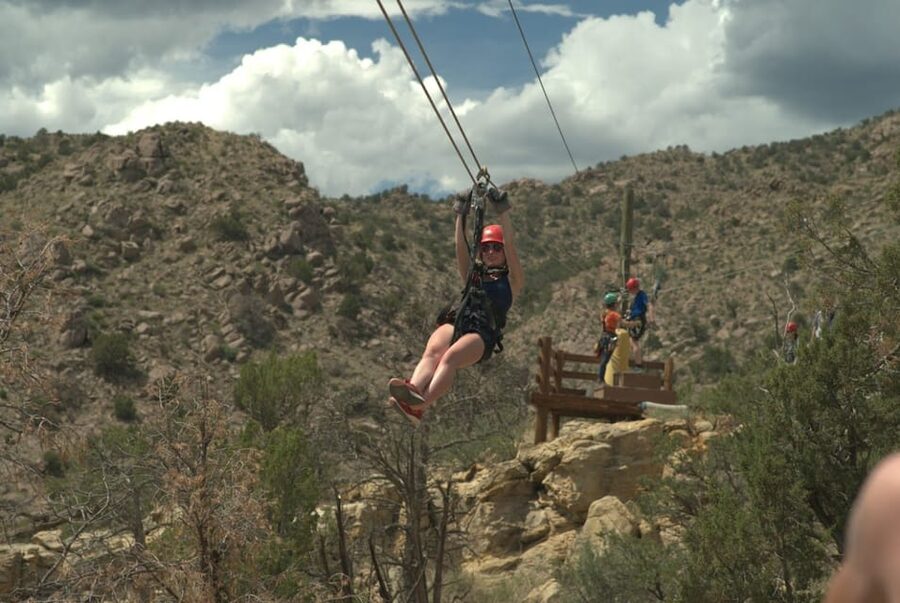
- Fastest zipline bragging rights in North America, plus a 1,700-foot highest-speed line
- Arkansas River mountain views from multiple lines, not just one photo stop
- A serious tower climb (compared to walking up about 10 flights of stairs)
- Dual 1,200-foot racing finish on a massive 7-story tower
- Two ways to finish: 30-foot free fall or True Blue belay used by firefighters and military tactical teams
- Small group limit of 8, so you spend more time riding and less time waiting
Royal Gorge ziplining: why this one feels different
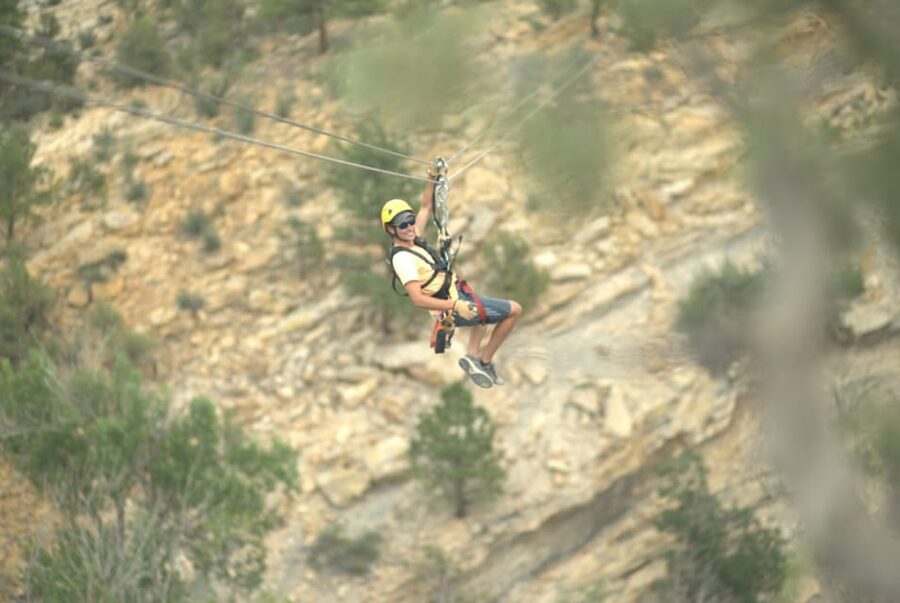
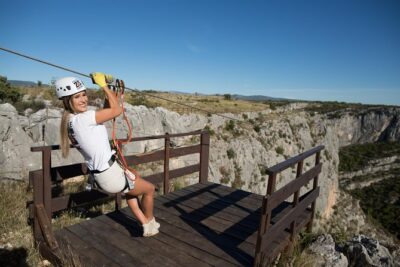
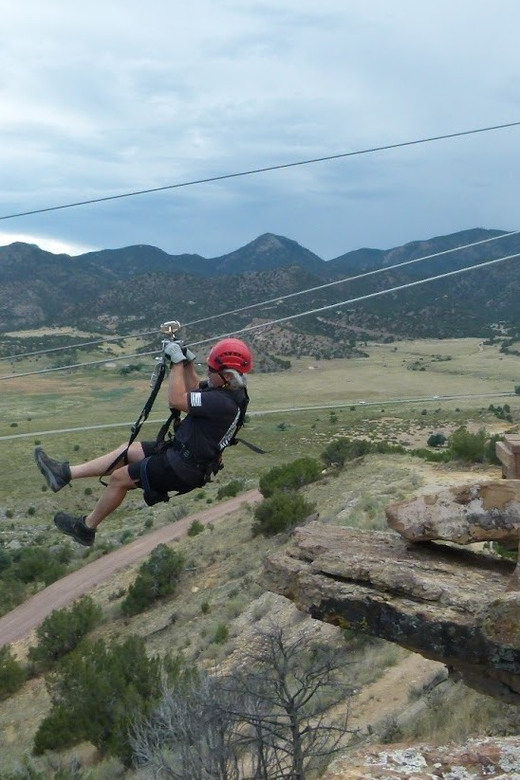
Cañon City is already a great base if you like dramatic Colorado scenery, and this zipline course uses that advantage hard. You’re above mountain terrain and get repeated Arkansas River views, so the ride stays scenic while it ramps up in intensity. This is not a casual canopy tour. It’s a structured “extreme” course with real speed lines and a finish that feels like a mini event.
What I like most is the way the experience is built around confidence and control. Instead of only telling you what to do, they train you in the key skill: managing your pace using the zipline cable with a gloved hand. That’s a huge deal because it turns the ride from pure thrill into something you can actually influence.
The second big plus is the “choose your finish” design. Free fall is a specific brand of fear (the leap-of-faith factor), so the True Blue belay gives you an alternative option while still landing you on that 7-story-tower moment. You still get an epic finish; you just get to pick which kind of adrenaline you want.
3 hours of thrills: the flow from safety talk to the tower
The tour runs about 3 hours total, and it’s paced so you can learn, climb, then fly through the lines. It starts with an orientation and ground school where guides teach you the essentials of zipping and how the system works. This matters because the course uses equipment that’s similar in concept to climbing gear—seat harness, chest harness, trolley system, lanyards, gloves, and a helmet—so you’ll want to know how everything fits before you’re hanging 100 feet out.
After the ground school, you’ll be cleared for take-off and gradually ready for the high-stakes parts of the course. Then comes the biggest physical checkpoint: climbing to the top of the tower. They compare it to walking up roughly 10 flights of stairs, and you should treat that comparison seriously. It’s not just “a little hike.” It’s an effort, and your ability to move well up the route will shape your whole experience.
Once you’re at altitude, the ride becomes a sequence: faster and faster lines, mountain and river views between platforms, then the final racing run. Even if you’re not a speed fanatic, the pacing works because you earn the later lines. You’re already trained when the biggest moments arrive.
Ground school teaches more than safety
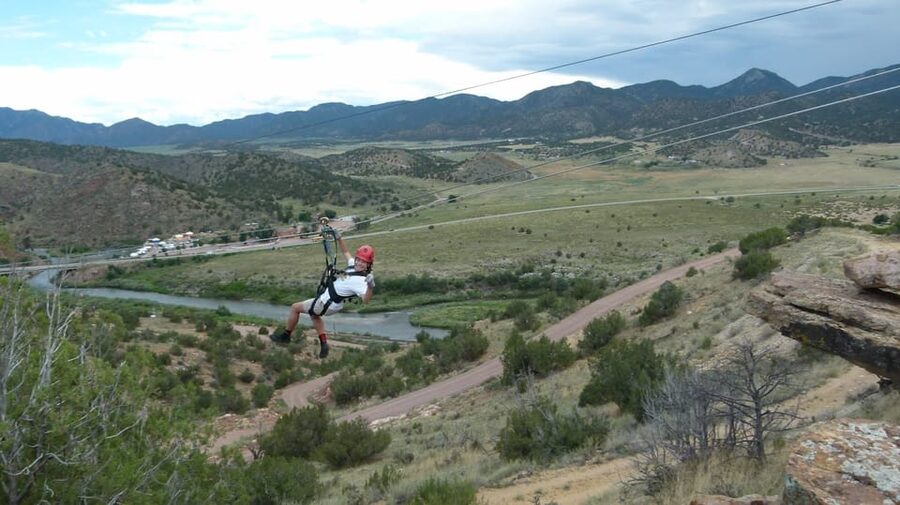
Ground school isn’t just paperwork. It’s where the tour earns trust—because it trains you in the exact motions you’ll need later. The course requires you to control speed by tensioning the zipline cable with your gloved hand. You’re not just strapped in and sent; you’re actively participating.
They also set expectations about what to do if momentum drops before reaching a landing platform. You must be able to pull yourself along the zip cable a few feet if you lose momentum. That’s the kind of detail that can make or break the ride for first-timers, so I’m glad it’s stated clearly up front.
The practical takeaway for you: show up ready to follow instructions fast. You don’t need extreme athleticism, but you do need hand strength, basic coordination, and comfort with height. If you’re willing to learn and you listen during ground school, you’ll feel far more in control once the course starts moving.
The fastest line and those Arkansas River views
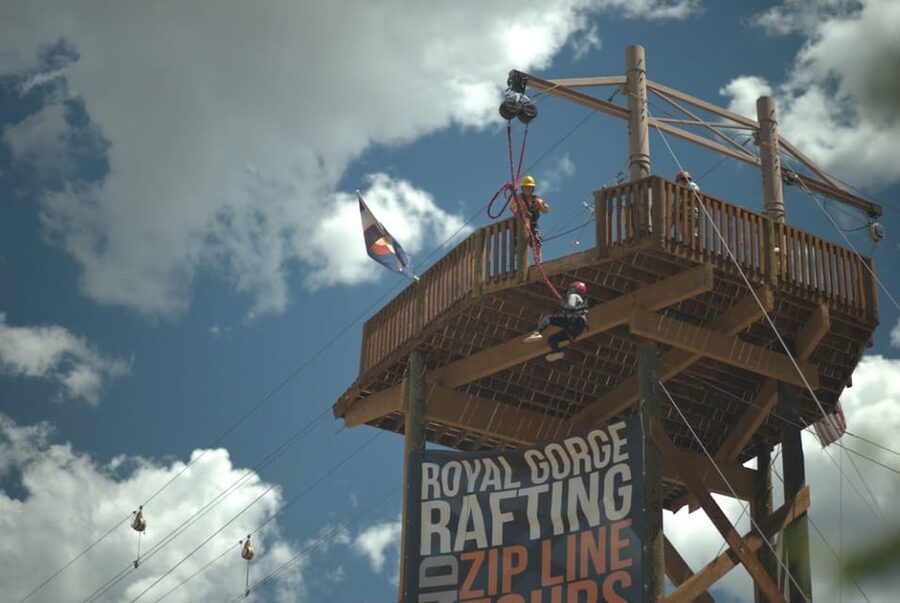
The course’s biggest “wow” early on is built around a high-speed line that tops out at a wild 1,700 feet. On an extreme course, the distance matters because it affects how long you’re suspended and how fast the whole system feels. This is the line that earns those bragging-rights headlines about being the fastest zipline in North America.
And because the course is positioned over mountain terrain with Arkansas River overlooks, you’re not just staring at the cable. You get repeated vistas. That’s a mental shift that helps: you can use the scenery as your reset point between platforms. Instead of only thinking about your feet, you can look out, take in the valley lines, then focus again on what your hands need to do on the next zip.
One consideration: fast lines and big views go together, which means you’re also looking down. If you’re nervous about heights, the views can be a stress test even when you’re doing everything right. The good news is that training and small-group pacing can help you settle in before the fastest stretches.
The 7-story tower finale: racing, then choosing your risk level
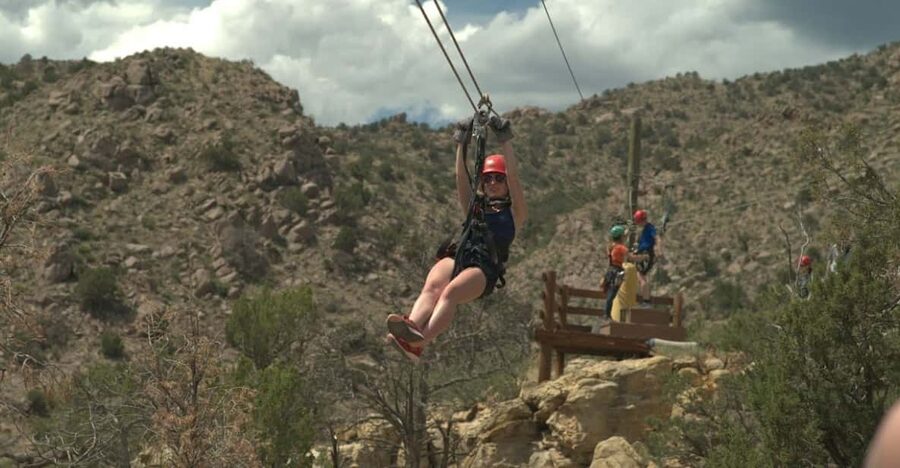
The last act is a dual side-by-side 1,200-foot racing line that lands on a massive 7-story tower. Side-by-side means you’ll experience the course with another participant nearby, and that extra energy can make the finale feel like an actual event. It’s also a natural turning point: by the time you reach the final platform, you’ve already learned the mechanics, so you can spend your focus on the moment.
Then you pick how you want to finish.
Option 1 is Flightline Free Fall: you leap off the tower and experience a 30-foot free fall, while the system slowly lowers you to the ground. That’s the classic thrill choice, and it’s the one with the leap-of-faith factor.
Option 2 is the True Blue belay system, designed as an alternative for those not ready for the leap. True Blue is noted as the same kind of belay used by firefighters and military tactical teams. In human terms, that means it’s an engineered approach built for controlled lowering, which can reduce the fear spike while still delivering a dramatic finish.
If you’re deciding between the two, I’d frame it like this: free fall is about raw adrenaline, belay is about staying brave without forcing the leap. Either way, the finale is a big visual moment because you land on top of that 7-story tower structure and choose your send-off.
Safety that feels structured, not casual
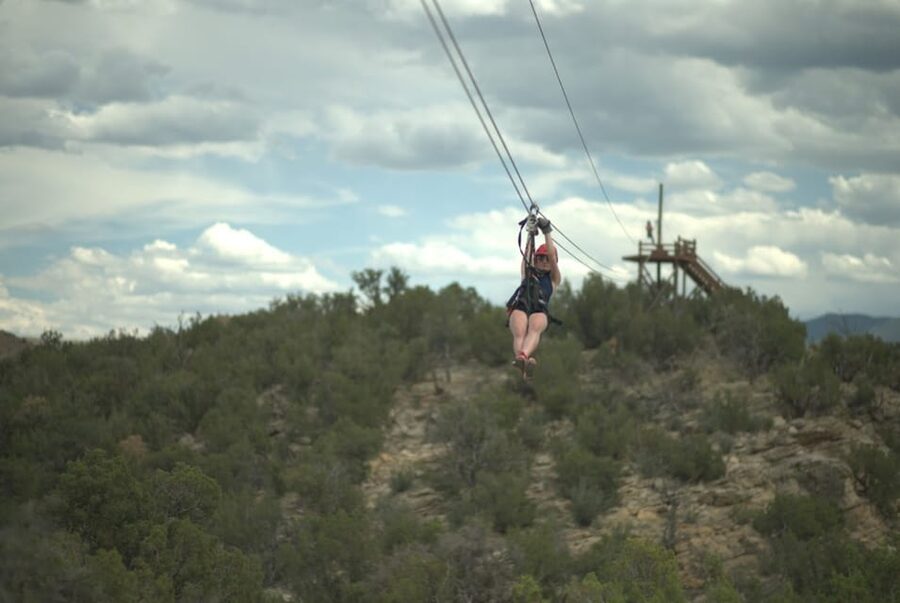
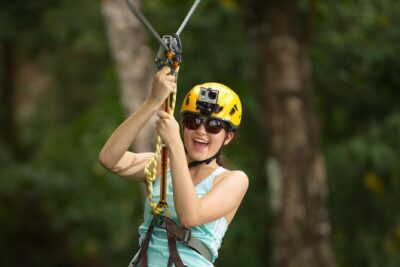
Safety here is not an afterthought. The course construction, equipment setup, guide experience, and training and operations are built into the flow. You’ll wear a full harness system: seat harness and chest harness, a trolley system, two lanyards with secure clips, plus gloves and a helmet.
The safety-minded detail I appreciate is how the course makes speed and control part of the system. By requiring you to tension the cable with your gloved hand, they’re turning control into a shared job: the equipment helps, and your body helps. That reduces the chance that you’re just guessing at the most important moment.
Also, this is rain or shine. That doesn’t mean you ride in bad conditions. The course closes if there’s lightning nearby or extreme winds, and advance notice may not always be possible. If your tour is canceled due to weather, you can rebook for another time or get a refund of the purchase price.
Practical advice: treat Colorado weather as a variable, not a certainty. If your schedule is tight, plan for flexibility so weather closures don’t ruin your day.
Who this tour is great for (and who should skip)
This is built for people who can handle an active climb and basic physical zipline control. You need to meet the weight requirement of 70–250 lbs, and it’s not suitable for people over 250 lbs, even if you’re close. It also isn’t a fit for pregnant women, people with back problems, mobility impairments, or heart problems.
If you’re unsure, think about the two core physical demands:
- you must climb to the top of the tower (about 10 flights of stairs worth of effort)
- you must control speed with your gloved hand and pull yourself along a few feet if momentum drops
If that sounds reasonable and you can follow instructions quickly, you’re likely a great match.
If it sounds shaky, there’s no shame in skipping. Extreme ziplining is still safer when you’re a good fit for the course, not when you’re hoping adrenaline will replace muscle and coordination.
Price and value: what $168 buys you in real terms
The price listed is $168 per group up to 1, and the tour runs about 3 hours with a small group size limited to 8 participants. That combination matters for value: you’re paying for a designed, staff-led extreme course experience, not just generic equipment rental.
What makes it feel worth the money is the full package of:
- instruction and ground school tied to actual ride skills
- the climbing and multiple-line course, not one short run
- safety gear included (harness, chest harness, trolley system, lanyards, gloves, helmet)
- the option to choose your finale style on the 7-story tower
Value is also about reducing guesswork. The tour sets strict weight rules, clear physical requirements, and a defined 3-hour structure. When you know what you’re signing up for, you can show up prepared and avoid the most common disappointment: not being able to ride when you arrive.
One practical note from a real rider: someone wished for GoPro-style photo options to rent or include with a deposit. That’s not a dealbreaker, but it’s a reminder to think about how you’ll capture your own proof of courage.
Guides make a difference: the human side of extreme rides
This kind of activity lives or dies on how it’s guided. In recent bookings, guides including Justine and Rick were described as great, with the energy and fun you want right before you launch. Another rider credited Rick and Brandon as amazing and said the experience felt unforgettable.
You can also see how personality affects comfort. Tarzan and Eric were highlighted with one described as infectious and the other as comforting. That pairing makes sense: you want excitement to get you moving, and reassurance to keep fear from hijacking your focus.
Even more telling, one review mentions a ticket time mix-up and the team handling it helpfully with free dinner vouchers. That’s not about the zipline itself, but it signals the operation is trying to keep people from getting stuck when something goes sideways.
Tips so you actually enjoy all 11 lines
You’ll get the most out of this if you treat it like a small training session plus a big payoff, not just a drop-and-go thrill.
Here’s what I’d do if I were planning around this course:
- Arrive ready to learn. Ground school is short, but it’s where you get the key skill: speed control with tensioning the cable using your gloved hand.
- Pace yourself for the tower climb. The route is compared to walking up about 10 flights of stairs, so don’t think of it as a quick step.
- Decide your finale preference in your head before you’re standing at the tower. If free fall sounds too intense, the True Blue belay is there as an alternative.
- Plan your photos early. Helmets and harnesses are provided, but the info given doesn’t promise photo or action-camera packages, so think about what you can realistically bring or capture.
Also, keep your schedule flexible. Lightning and extreme winds can close the course, and advance notice may not be reliable.
Should you book this Royal Gorge Epic Adventures zipline?
Book it if you want the full extreme zipline package in one block: a fast 1,700-foot line, scenic Arkansas River views, a dual racing finale, and a choice between free fall and belay at the 7-story tower. It’s a great fit for people who like action, can climb with effort, and are comfortable following safety instructions while actively controlling the ride.
Skip it if you’re outside the stated weight range or if you have back, heart, mobility issues, or you’re pregnant. Also skip if you know you can’t handle speed plus height, because this course expects you to manage both physically and mentally.
If you’re a first-timer, this is still one of the better bets because the training is part of the experience—not an optional add-on. You’ll leave knowing exactly what you needed to do, not just how it felt.
FAQ
How long is the Royal Gorge 11-Line Extreme Zipline Experience?
The tour duration is 3 hours.
What is the price for the experience?
The price is $168 per group up to 1.
How many people are in the group?
The tour is limited to a small group with a maximum of 8 participants.
What are the weight requirements?
The strict weight requirements are 70–250 lbs.
What physical abilities do I need for the ziplines?
You must be able to control your travel speed by tensioning the zipline cable with your gloved hand. You also must be able to pull yourself along the zip cable a few feet if you lose momentum before reaching a landing platform.
What safety equipment is included?
You’ll be provided with safety equipment including a seat harness and chest harness, a trolley system, two lanyards with secure clips, gloves, and a helmet, along with a safety orientation.
Is there a free-fall option at the end?
Yes. The Flightline Free Fall option includes a leap off the tower with a free fall of 30 feet, while the system lowers you to the ground.
What if I do not want to leap from the tower?
You can choose the True Blue belay option instead, which is offered as an alternative for those not ready for the leap of faith.
What happens if the weather is bad?
The tour runs rain or shine, but the course closes if there is lightning in the vicinity or extreme winds. If canceled due to weather, you may rebook for another time or receive a refund of the purchase price.